
Quitting smoking or vaping can feel overwhelming, especially since there is so much conflicting information out there. Understanding the facts can help you feel more confident and find the approach that works best for you.
It’s too late for me to quit
False. Health benefits begin within hours of quitting, regardless of your age. Within one year, the risk of heart disease is cut in half, and the risk of lung cancer continues to decrease over time.
Relapse means failure
False. Most people attempt to quit several times before quitting for good. It can take anywhere from six to 30 attempts to quit for good. Quitting is not a straight line; it often takes several tries. If you start smoking or vaping again, try not to see it as a failure. Instead, think of it as a learning opportunity.
Smoking helps relieve stress
False. Research has shown that smoking increases stress levels, and people who have quit report feeling less stressed. Most of the calm feeling that comes from smoking or vaping is the physical relief of nicotine withdrawal symptoms. When someone is dependent on nicotine, they may feel irritable, anxious, restless, or get headaches. Smoking or vaping temporarily relieves these symptoms.
Nicotine replacement therapy (NRT) is just as harmful as smoking
False. Products such as nicotine patches, gum, lozenges, inhalers, and mouth sprays are much safer compared to cigarettes and vapes. NRT delivers nicotine in smaller, controlled doses. NRT can ease cravings and withdrawal symptoms without the harmful chemicals found in cigarettes and vapes.
Smoking/vaping while using NRT is dangerous
False. Using NRT while continuing to smoke is no more dangerous than smoking alone, and people can continue to smoke or vape while using these products. NRT can also help reduce cravings and help you gradually cut down on smoking.
Nicotine is the most toxic ingredient in cigarettes and vapes
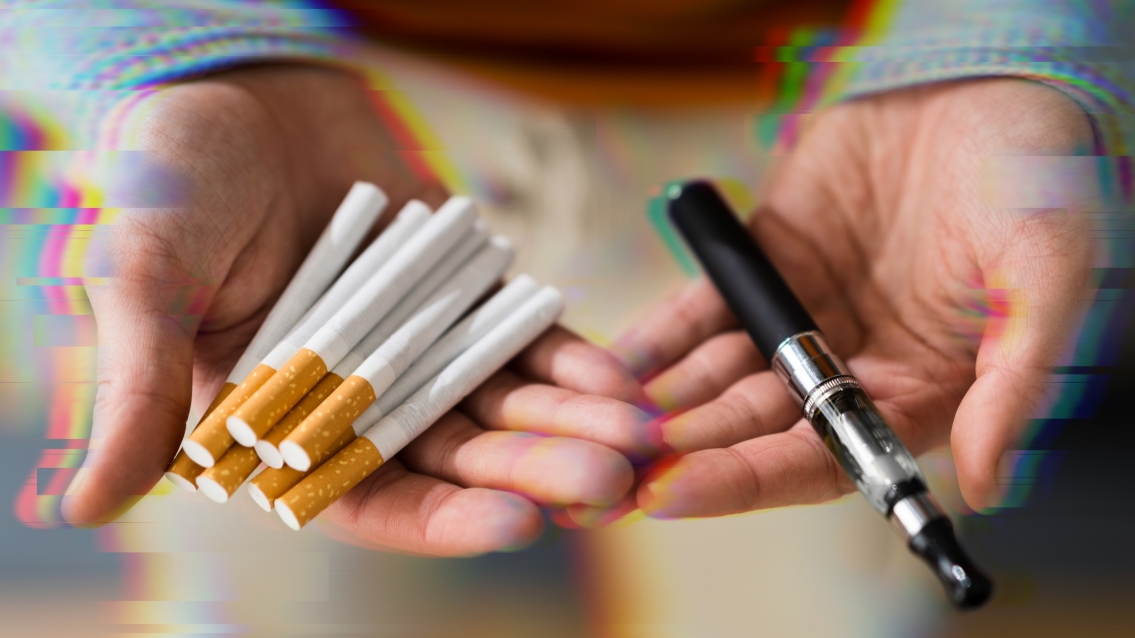
False. Nicotine is the chemical that causes dependence. It is not the primary cause of smoking-related illnesses like heart disease and lung damage. The greatest harm from cigarettes comes from the toxic chemicals that are released when tobacco is burned, like tar and carbon monoxide. Vaping also carries risks from the chemicals contained in the aerosol, including heavy metals and flavouring.
Vaping is the best way to quit smoking cigarettes
False. Vaping can help people quit smoking, but it’s not the best way to quit. Nicotine from vapes is just as addictive as commercial cigarettes. We recommend safer and more researched methods first, such as NRT, varenicline (Champix), bupropion (Zyban) or cytisine (Cravv).
Varenicline (Champix) is dangerous if I have a history of anxiety or depression
False. Varenicline (Champix) is a common medication used to help people stop smoking. It does not increase the risk of mental health concerns. It is important to remember that quitting smoking can cause mood changes, irritability, and anxiety. These symptoms are often related to nicotine withdrawal, rather than the medication.
Hypnotherapy, laser therapy or acupuncture work better than other quitting methods
False. These methods alone do not help people quit smoking or vaping. However, these treatments are generally safe, and some people will quit successfully. Keep in mind that these methods haven’t been shown to increase the odds of quitting and can be expensive.
Smoking just a few cigarettes a day is harmless
False. There is no safe level of smoking. Even smoking a few cigarettes a day increases the risk of heart disease, cancer, fertility problems and pregnancy complications.
One Million Canadian Hearts
The Ottawa Heart Institute has launched One Million Canadian Hearts, a pioneering initiative to screen one million Canadians for heart health.
Learn more