
Kwan-Leung Chan, MD, has been a pioneering force in echocardiography and cardiology for nearly 40 years. As he prepares to retire at the end of June, he reflects on a remarkable career marked by innovation, mentorship, and an enduring commitment to patient care at the Ottawa Heart Institute.
From the early days of one-dimensional echocardiography to today’s cutting-edge 3D imaging techniques, Dr. Chan has been at the forefront of transforming how clinicians visualize and understand the heart. His work has not only advanced diagnostic technology but also shaped training standards and quality assessments across Ontario’s echocardiography labs.
In a recent interview with The Beat, Dr. Chan shared candid insights about his journey, touching on the future of cardiology, the evolving culture of teaching and patient care, and the legacy he hopes to leave behind.
The Beat: What first drew you to echocardiography and made it your life’s work for nearly 40 years?
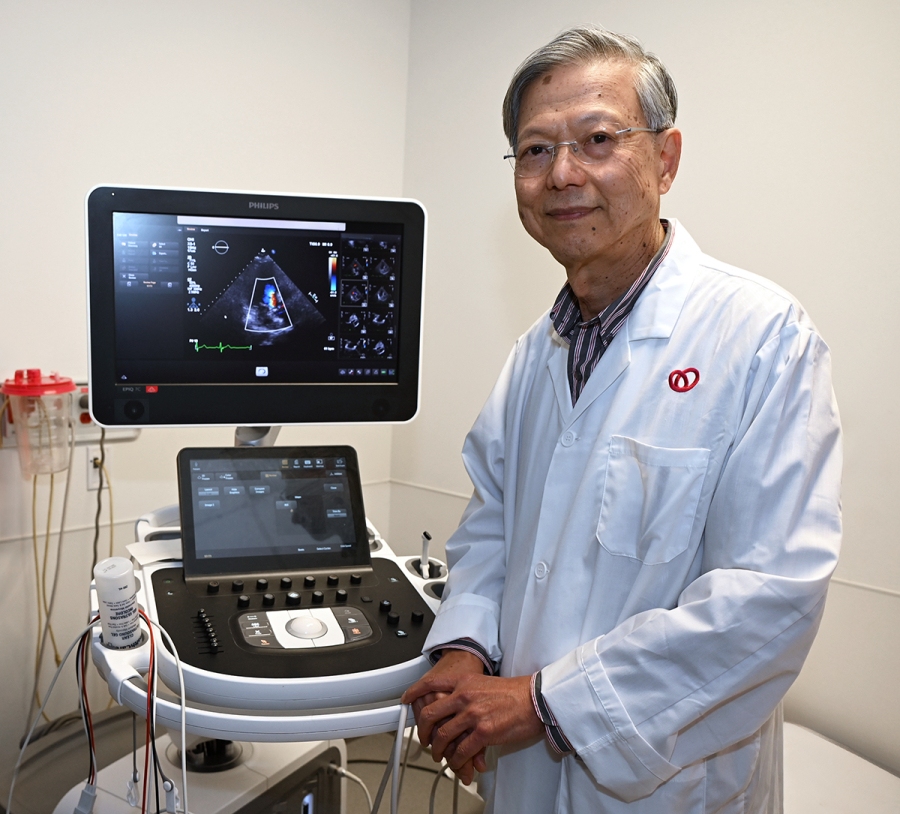
Dr. Kwan-Leung Chan: I've always been fascinated by the relationship between cardiac anatomy and function. Echocardiography was the most accessible technology to explore that connection when I began. Back then, we only had one-dimensional echo. But over the years, I’ve been fortunate to witness and participate in the evolution of echocardiography, from 1D to 2D, and now 3D imaging. Being part of that transformation has been incredibly fulfilling.
You've mentored over 70 cardiologists. What’s been your secret—and what have you learned from them?
There’s no real secret. I think it’s largely a matter of longevity—I’ve been doing this a long time, and our work has attracted people who wanted to learn. But I’ve learned just as much from them. Their questions often inspired my research. Many of my trainees have gone on to leadership positions across Canada and internationally.
You've helped shape national standards for echocardiography. What part of that work are you most proud of?
I’ve contributed to training guidelines and have been involved in assessing the quality of echocardiography labs across Ontario. That work continues under the auspices of Accreditation Canada. It’s important that patients receive a consistent standard of care, and I’m proud to have played a part in maintaining that quality.
What has that community meant to you personally?
It’s meant a great deal. Involving patients in clinical research has been one of the most rewarding parts of my career. I’ve also participated in patient-initiated efforts, like the early days of the Canadian Marfan Association, (now known as the Genetic Aortic Disorders Association Canada), which began here in Ottawa. Being part of initiatives like that has been deeply gratifying.
Is there one patient or teaching moment that stands out over the years?
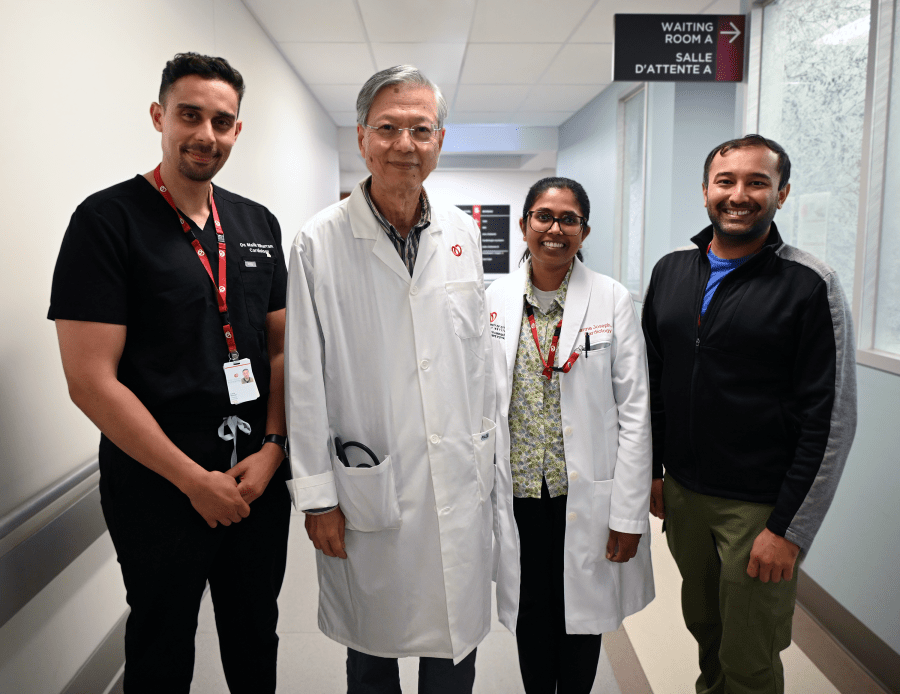
There are far too many to name, but one story stands out. One of my first patients at the Heart Institute was a 16-year-old who came here by mistake for an echocardiogram. We discovered he had severe heart disease, and he eventually underwent surgery with Dr. Keon. I’ve been following him ever since—now he’s 56 and working for the government. That 40-year relationship is incredibly meaningful.
What’s been the biggest “wow” moment in how echocardiography has evolved?
For me, it was the shift from 2D to 3D echocardiography. Before 3D, we had to construct the heart in our minds from flat images. With 3D, we could finally see the heart’s structure in real-time. It was crude at first, but it was groundbreaking. And I don’t think we’ve reached the final chapter of 3D imaging—it’s still evolving.
You’ve explained complex cardiac conditions to countless students. What’s your approach to making things click?
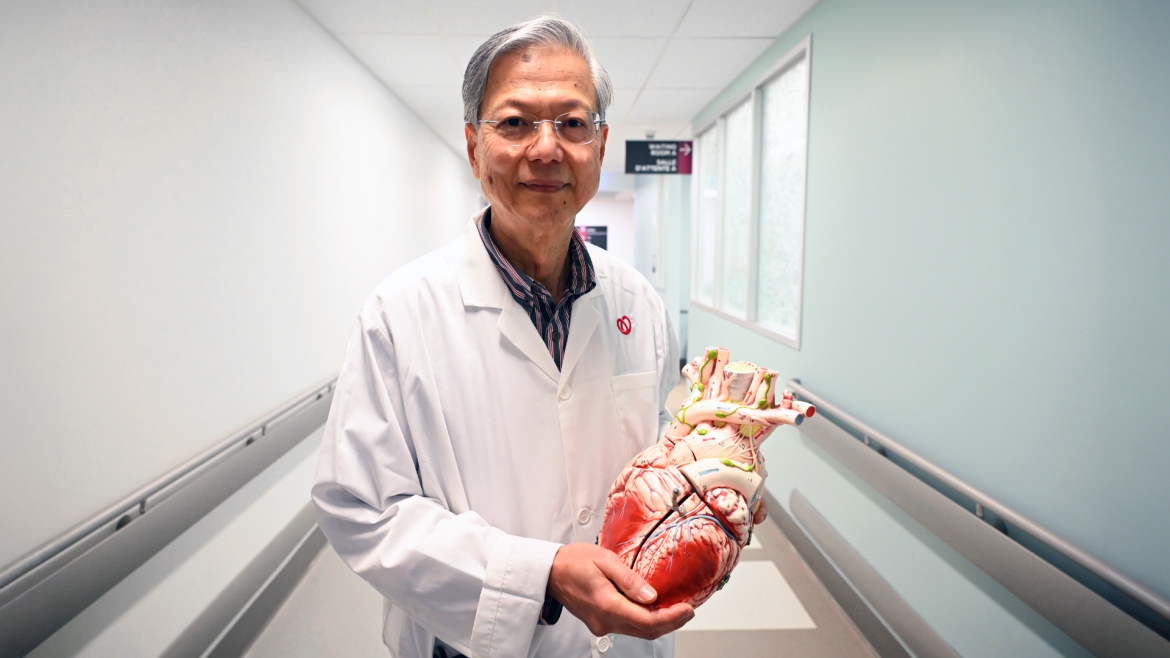
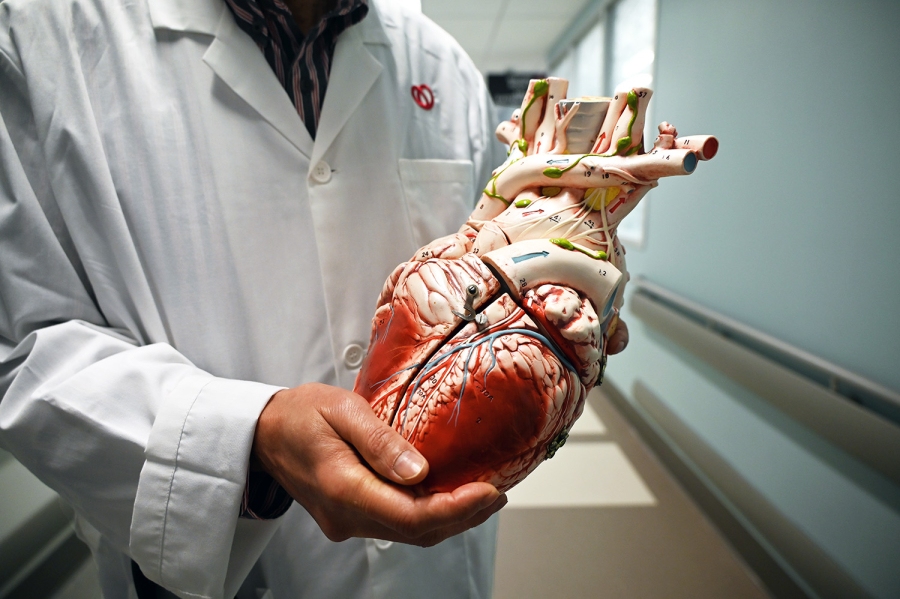
I always bring it back to the basics—anatomy and physiology. I encourage students to study the heart model and understand the three-dimensional relationships between structures. Whether you're dealing with congenital heart disease or valve complications, that foundational knowledge is essential. Technology evolves, but anatomy doesn’t. Everything we do builds on that understanding.
How has the culture of cardiology changed since you started—especially around teaching and patient care?
The philosophy of patient-first care hasn’t changed—and that’s what makes the Heart Institute special. What has changed is the infrastructure: we now have data centres, specialized clinics like the valve clinic and women’s heart health programs, and robust in-house research capabilities. In the early days, we were a small, tight-knit team. As we've grown, our priorities have stayed constant.
Do you have any final advice for your colleagues, your patients, or the public?
To my colleagues: appreciate the unique place the Heart Institute holds in this community. It’s a special institution—take care of it, and let it take care of you. Beyond that, no grand advice. Just gratitude.
Never miss a Beat
Want interesting stories like this delivered straight to your inbox as they happen?