

The Latest in Heart Health, Cardiovascular Care, and Research
Recent


Top Articles
Food for thought about Canada’s food guide
The Canada Food Guide received its first update in more than a decade earlier this year. Gone are the food groups and portion sizes. The new message for Canadians is clear: eat more plant-based proteins, and less meat and dairy. Kathleen Turner, a registered dietitian with the University of Ottawa
Gender equality and cardiac rehab: Not a one-size-fits-all solution
March 8th is International Women’s Day, a day where women are globally recognized for their contributions and advancements in society. But could their next battle be against gender biases in the way society cares for them? Due to barriers in sport and physical activity over the last century, many
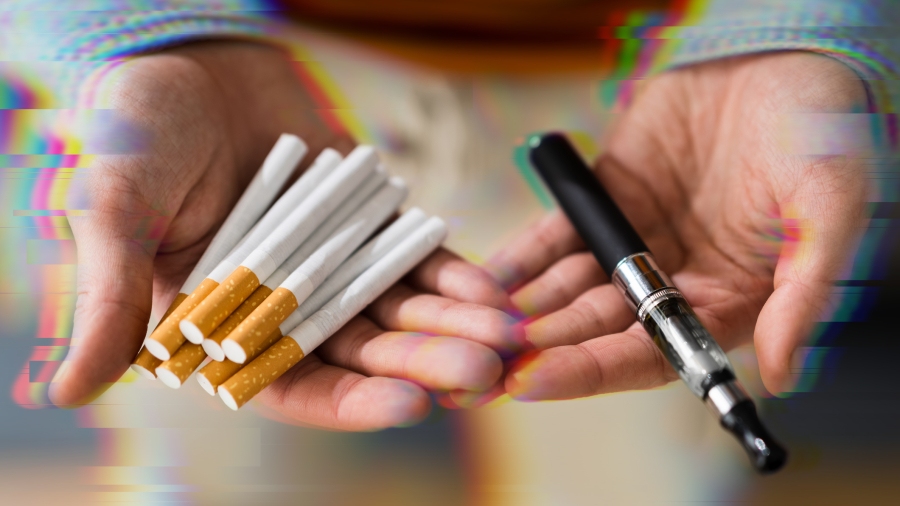
Unanticipated consequences: Vapes and e-devices are the cane toad to tobacco's beetle
In 2016, Queens University held as part of its 175 th anniversary celebrations an international summit to discuss and debate an "endgame" for tobacco usage in Canada. The Tobacco Endgame for Canada Summit concluded with a call for the creation of a tobacco endgame strategy for the country. Experts
A more inclusive approach to smoking cessation for women
Is quitting smoking on your 2019 list of goals? There are a variety of factors that influence someone’s ability to quit smoking long-term. For women, the messaging and research around smoking cessation has focused largely on women and pregnancy, rather than supporting the overall health of women and
Our five most popular stories of 2018
Our top 5 stories of 2018 covered a variety of important heath topics: innovative techniques and technology, continuing medical education in Canada, tips for better managing stress, and, yes, recreational pot, too. 5 th position (Fluoro)Less is More When it Comes to Cardiac Ablation 4 th position
(Fluoro)less is more when it comes to cardiac ablation
Common practice during complex arrhythmia ablation procedures, such as atrial fibrillation and ventricular tachycardia ablation, calls for the use of radiation to help visualize catheter movement and guide the electrophysiologist through critical portions of the procedure. This type of radiation