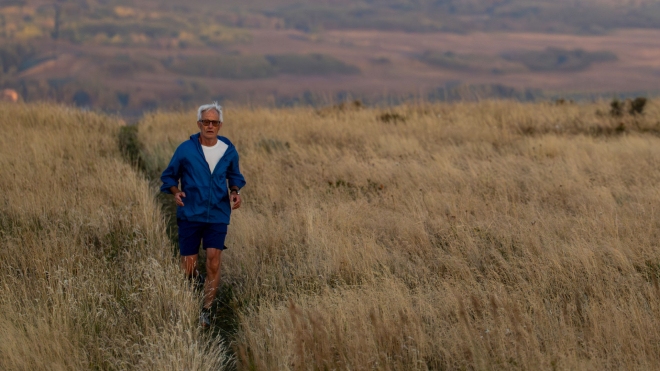


For many patients from Nunavut’s Qikiqtani (Baffin) region, coming to Ottawa for heart surgery is more than a medical journey. It’s a profound life disruption. It means leaving behind family, community, language, and land to face uncertainty in an unfamiliar city, often without knowing how long they’ll be gone.
Yet woven into this challenging experience is a story of support and collaboration between Larga Baffin and the specialized care teams at the Ottawa Heart Institute. Together, they are reshaping how culturally respectful, accessible care is offered to Inuit patients, not just during cardiac services but before and after as well.
At the core of this partnership is a belief that healing the heart takes more than clinical treatment alone. It’s about connection, trust, and belonging.
A home away from home
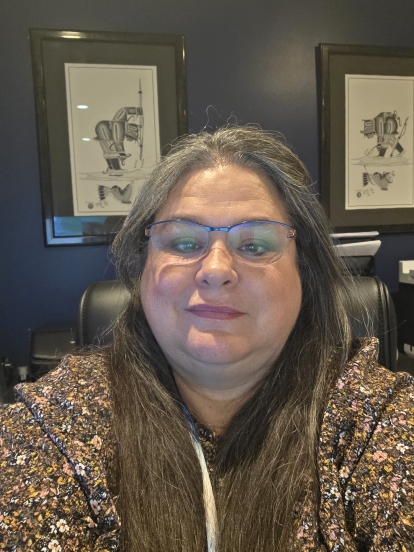
The first step in a patient’s southern journey often begins at Larga Baffin, a full-service, temporary boarding home for patients and their escorts travelling from the North for medical appointments. Here, everything from daily meals to transportation to and from appointments is provided. But what matters most is the sense of community it creates.
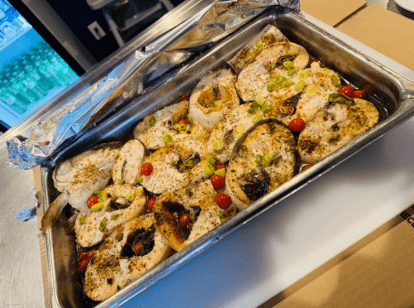
Patients staying at Larga Baffin are surrounded by others who speak their language, eat country food (traditional country food includes game meats, migratory birds, fish and ingredients foraged in nature), and understand where they come from. There’s comfort in shared experiences: in talking to someone else who has been medevacked from a fly-in community, who misses home, or who carries the same fears.
For Carry-Anne Dolan, the general manager of Larga Baffin, this emotional connection is “at the heart of everything we do.”
“Our patients face serious diagnoses far from home,” Dolan said. “Being among people who know their world helps them begin to heal.”
That healing, she added, goes beyond medicine. “We have patients who remind us: recovery also comes through laughter, community, and being treated with respect.”

Patients may arrive unexpectedly, sometimes straight from the airport or the emergency department. Even then, the staff responds quickly by finding accommodations, organizing transportation, and ensuring no one is left behind.
“Some of our patients arrive without a word of English,” Dolan explained. “They may not know what a cardiac rehab program is. But when they see a familiar face at breakfast, or someone who can speak to them in Inuktitut, it changes everything. They start to feel like this place isn’t so foreign after all.”
Building trust through care
At the Ottawa Heart Institute, the cardiac rehabilitation team understands that trust is essential when working with Inuit and all Indigenous patients. From the first bedside visit, the goal is to build relationships and ensure healing continues long after the hospital stay ends.
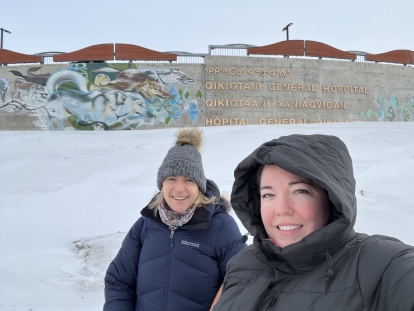
Julie Sawyer, a care facilitator and registered nurse at the Ottawa Heart Institute, visits Larga Baffin regularly to connect with patients and their families to talk about heart health and ensure they are aware they can access cardiac rehabilitation. She’s seen the number of participants from Nunavut grow meaningfully, from just two in 2021 to 26 last year. But the real progress, she explained, shows up in stories, not just statistics.
“We know that a patient’s experience is emotional. It’s cultural,” Sawyer said. “For someone who has never left their community before, who may not speak English fluently, or who communicates differently, it’s our job to meet them where they are.”
That means listening deeply, recognizing the significance of non-verbal cues, and using tools like interpreters, visual aids, and storytelling to help convey complex information. It also means challenging assumptions about how care should look.
Cardiac rehabilitation for some patients includes in-person programs: eight weeks of physical activity classes, nutrition advice, mental health support, and education sessions. For others, especially those who return home quickly or live in remote communities, it might be a phone call, a Zoom session, or a connection to a local health centre.
Culture at the centre
Respecting Inuit culture is central to success. The rehab team is working with partners to codevelop educational materials rooted in Inuit values and worldview. The objective is for materials to be translated into Inuktitut and use culturally resonant colours, images, and story-based formats.
Physical recovery is also framed in ways that resonate. Instead of ‘treadmill walking,’ providers suggest walking on the land, hunting, or spending time outdoors.
This approach extends to follow-up care. Patients who return to Iqaluit may continue their recovery through the Qikiqtani General Hospital. Others access virtual appointments through telehealth, sometimes from nursing stations in their communities. Unreliable internet, competing responsibilities, or simply being out on the land are common challenges, but the rehab team continues to adapt, knowing that flexibility is vital.
Looking ahead
The journey from Nunavut to Ottawa is long. But with the support of Larga Baffin, the Heart Institute, and a growing circle of culturally grounded care, patients are finding their way home stronger in body, heart, and spirit.
That journey also requires a deeper awareness of the realities patients face: food insecurity, housing shortages, mental health pressures, and the disconnection from land and family. These challenges shape every part of a person’s recovery.
“This work is personal for us,” said Carry-Anne Dolan. “Our residents are our own family members, our own communities. That’s why the support must go beyond logistics. It has to be human.”
“This isn’t just about one program, one hospital, or one population,” added Julie Sawyer. “It’s about how care is delivered to anyone who has ever felt overlooked or misunderstood by the health system.”
“We’ve learned so much from working with Inuit and Indigenous patients,” she said. “About resilience, the importance of cultural identity, and how powerful care can be when it’s grounded in trust, relationships, and respect.”
Never miss a Beat
Want interesting stories like this delivered straight to your inbox as they happen?
Subscribe to our mailing list