
For much of modern medicine, rare heart conditions were overlooked. Affecting fewer than one in 2,000 people, these diseases were poorly understood, often only diagnosed after serious complications, and had limited treatment options.
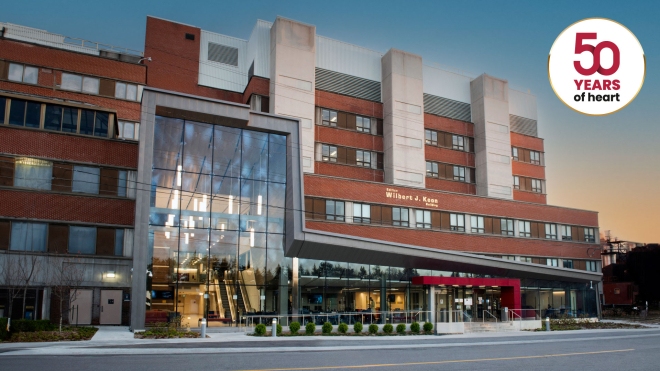
When the Ottawa Heart Institute opened its doors 50 years ago, patients with these conditions had few paths to specialized care. Today, that landscape has evolved. Scientific advances, visionary leadership, and a patient-focused approach have created a model of care that combines precision medicine, research, and education under one roof.
At the centre of this transformation is the Canadian Centre for Rare Cardiac Conditions, (CCRCC)—the only dedicated centre of its kind in Canada bringing together advanced diagnostics, specialized clinics, and a coordinated approach to the patient journey.
From margins to mainstream
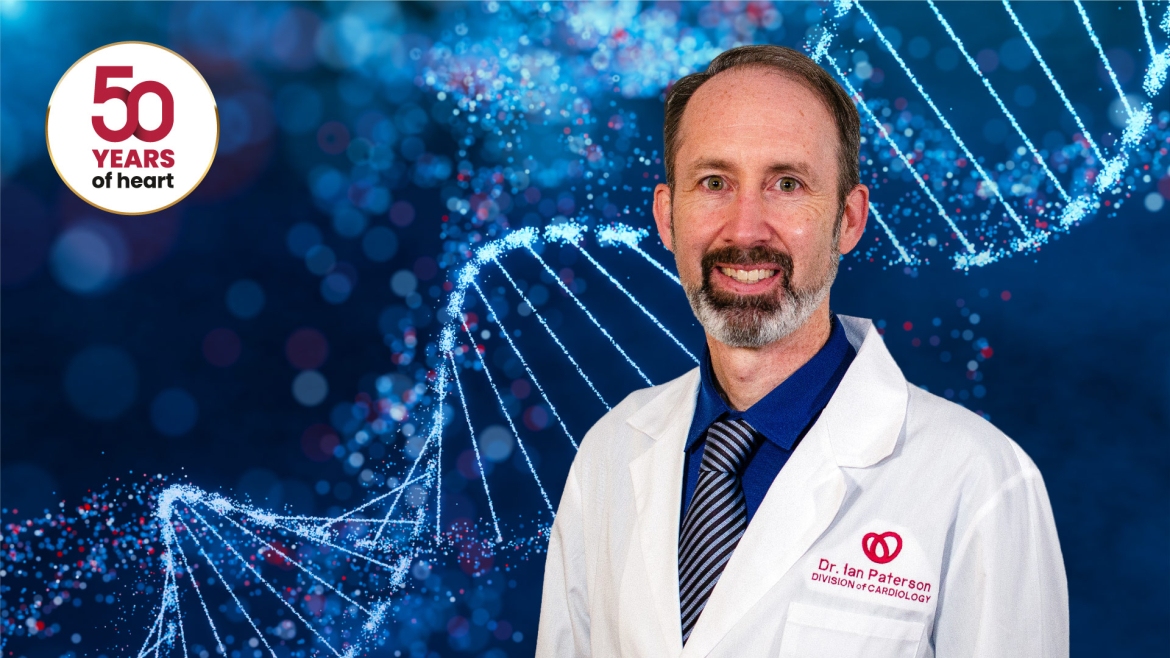
“Twenty years ago, many of these conditions weren’t even recognized,” said Ian Paterson, MD, a cardiologist and director of the CCRCC in an interview with The Beat. “If they were on the radar at all, they were very poorly understood. Physicians lacked the tools to diagnose them accurately. Advanced imaging and genetic testing simply weren’t available in those days. And we had few, if any, effective therapies.”
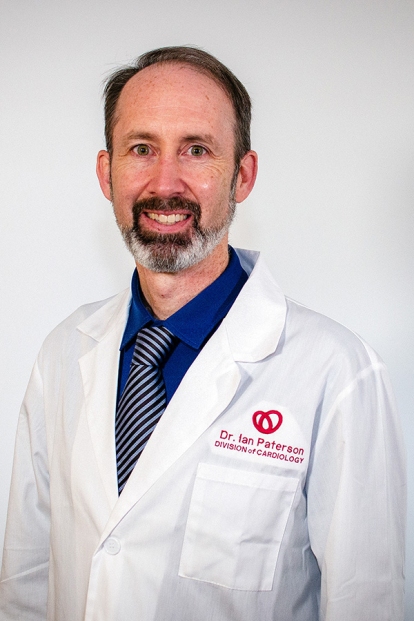
The biggest gaps were in diagnosis and treatment. Patients often couldn’t get definitive answers, and when they did, options were limited. “There were also no specialized clinics or dedicated experts focused specifically on rare cardiac conditions,” Dr. Paterson explained.
The CCRCC was created to address those gaps. Today, sophisticated imaging, genetic testing, and specialized bloodwork allow physicians to make precise diagnoses and tailor therapies to each patient. New clinics, led by national and international experts at the Ottawa Heart Institute, provide care for conditions that were once considered untreatable. In the past two years alone, the CCRCC has launched two new clinics—the pericardial care clinic and the genetic cardiomyopathy program—to expand specialized care.
Rare cardiac conditions cover a wide spectrum. Some people are born with structural heart defects and now survive into adulthood thanks to surgical advances pioneered over the past five decades. Others develop inherited heart muscle diseases, dangerous heart rhythm disorders, rare blood vessel conditions, or inflammatory diseases affecting the heart. Many of these conditions are long-term, progressive, and can affect other organs, requiring lifelong care and specialized expertise.
Transforming care for rare heart conditions
The difference for affected patients is tangible. “In the past, treatment was largely limited to standard heart medications such as ACE inhibitors and beta blockers,” Dr. Paterson said. “Now we have therapies designed specifically for certain rare diseases. For some conditions that were once essentially a death sentence, survival and quality of life have improved dramatically.”
Patients are active partners in shaping the field. They contribute to national and international registries, volunteer for clinical trials, and help build the knowledge that drives better care for future generations. “Many patients feel a strong desire to ‘pay it forward,’” Dr. Paterson noted. “They understand that research participation in the past has led to better care for them today.”
Research and education are central to the CCRCC’s mission. Registries and biobanks specimen programs have helped refine treatments and deepen our understanding of rare cardiac diseases. Canada’s first fellowship in rare cardiac conditions trains specialists who will spread expertise across the country.
“Our work is not just about patient care,” Dr. Paterson emphasized. “It’s also about education—training the next generation of specialists and sharing knowledge with patients, healthcare providers, and policymakers.”
Scientific advances are rapidly transforming care. Genetic testing is now central to diagnosing inherited heart disease and identifying at-risk family members. New imaging technologies, including cardiac MRI and PET scans, allow doctors to detect disease earlier and more accurately than ever before. Emerging treatments, including precision medicine and gene-based therapies, offer hope for conditions once considered untreatable.
“This progress is the result of research at institutions like ours, major investments by industry in rare disease therapies, and growing recognition by the Canadian government of the importance of funding rare disease research,” said Dr. Paterson. “It’s an incredibly exciting time!”
“The sky is the limit”
Looking ahead, the field is entering an era where gene-based therapies could fundamentally change outcomes. “Up until now, we’ve managed rare cardiac diseases with medication—with a focus on controlling symptoms and preventing disease progression,” Dr. Paterson explained. “But gene-based therapies raise the possibility of curing some of these conditions.”
Diagnostic tools will continue to improve, allowing doctors to identify patients at highest risk and tailor care precisely. The CCRCC is exploring international collaborations to ensure patients benefit from global advances. “There’s tremendous potential—not only locally at the Heart Institute, but nationally and internationally. The sky really is the limit in terms of what we can achieve,” Dr. Paterson said.
Over the past five decades, the Ottawa Heart Institute has helped move rare cardiac care from the margins to the mainstream. By combining patient care, research, and education, the CCRCC is redefining how rare heart diseases are diagnosed, treated, and understood.
For patients and families, the impact is profound. Today, a diagnosis of a rare heart condition no longer carries the same uncertainty or inevitability it once did. Survival, quality of life, and hope have all improved, thanks to decades of innovation and a commitment to excellence.
As the Ottawa Heart Institute celebrates 50 years, its work with rare heart conditions exemplifies how science, collaboration, and compassion can converge to change lives. The legacy continues—offering not just care, but a vision for a future where rare heart diseases are no longer rare in attention, understanding, or hope.
The Ottawa Heart Institute is celebrating 50 years of heart in 2026. Visit our anniversary webpage!
Never miss a Beat
Want interesting stories like this delivered straight to your inbox as they happen?
Subscribe to our mailing list