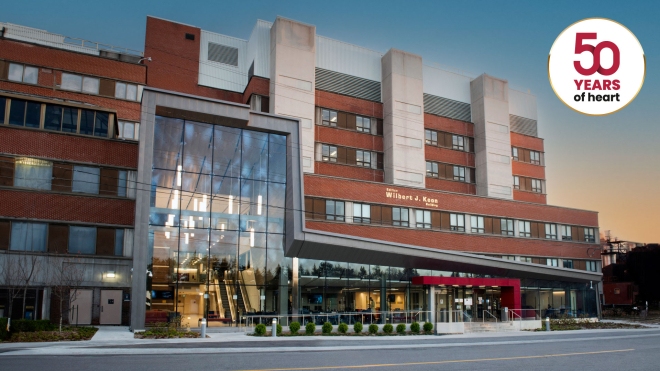

In 2026, the Ottawa Heart Institute marks 50 years of pushing the boundaries of cardiovascular care. This issue highlights how a bold vision for cardiac surgery sparked the growth of an institute that has flourished into a global leader in innovation, precision, and patient-centred care.
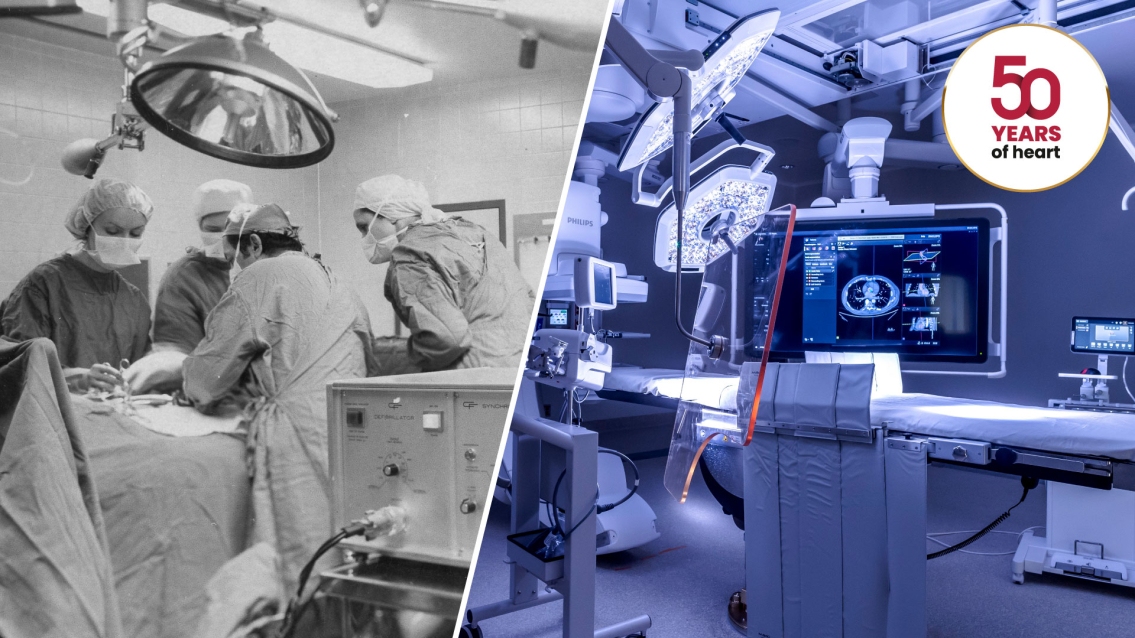
Over five decades, the operating room has evolved from marathon procedures dependent on emerging technology to highly refined, minimally invasive techniques. Behind every advance are the people—surgeons, anesthesiologists, cardiologists, nurses, researchers, allied health professionals, and support teams—whose skill, trust, and shared purpose have defined the Heart Institute from the start.
It all began with a handful of dedicated individuals determined to exceed what seemed possible, united by a single goal: better care for patients.
Building the foundation
Dr. Pierre Bédard remembers the early 1970s, when Dr. Wilbert J. Keon began building a cardiac surgery program in Ottawa.
“We had our own operating room and a dedicated nursing team,” said Dr. Bédard, a former cardiac surgeon at the Ottawa Heart Institute and one of Dr. Keon’s earliest colleagues. “There were two beds in a shared recovery area, and an intensive care space next to the coronary care unit.”
At the time, heart surgery in Ottawa was performed only occasionally. With the creation of a dedicated unit at The Ottawa Hospital’s Civic Campus, procedures began taking place two or three times a week—a significant step forward.
“Dr. Keon set out to build an institute that would bring surgery, cardiology, research, and training together under one roof,” Dr. Bédard told The Beat. “There were no other centres like it in Canada at the time. I couldn’t quite imagine it… but he was determined.”
A key factor in the Heart Institute’s rapid growth was its ability to secure a level of financial independence, Bédard said. This gave leaders the flexibility to access funding as needed, supporting continuous expansion and long-term development, while allowing programs to evolve quickly in response to emerging needs.
In those early years, coronary bypass surgery was still new, valve replacements carried significant risks, and heart-lung machines were far less reliable than today. Operations often lasted five hours or more, complications were common, and surgeons were frequently called back overnight.
“I was on call every second night,” Dr. Bédard said, recalling sharing an on-call room with Dr. Keon. “Patients sometimes had to return to the operating room for bleeding. It was demanding—for us and for our families.”
Dr. Keon recruited Dr. Donald S. Beanlands to build a cardiology program that worked hand in hand with surgery. “Cardiac surgery cannot exist without cardiology,” said Dr. Bédard. “From the very beginning, the two worked closely together.”
Alongside their clinical work, the team also built a training program for future specialists.
“We trained many residents who later joined our team or went on to work across Canada and around the world,” Dr. Bédard said.
That integration became a defining feature of the Heart Institute—one that continues today.
Innovation and global impact
Among those shaping cardiac surgery in Ottawa was Dr. Marc Ruel, a world-renowned cardiac surgeon who continues to practice at the Heart Institute today.
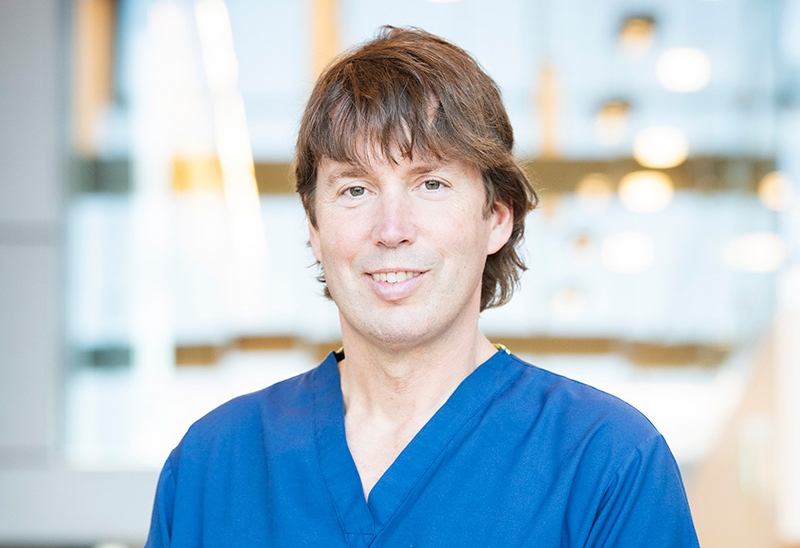
“When I began training in the late 1990s, the program was clinically strong but less focused on research,” he said.
That began to shift in the early 2000s under Dr. Thierry Mesana, who succeeded Dr. Keon as head of cardiac surgery and later served as president and CEO from 2014 to 2024.
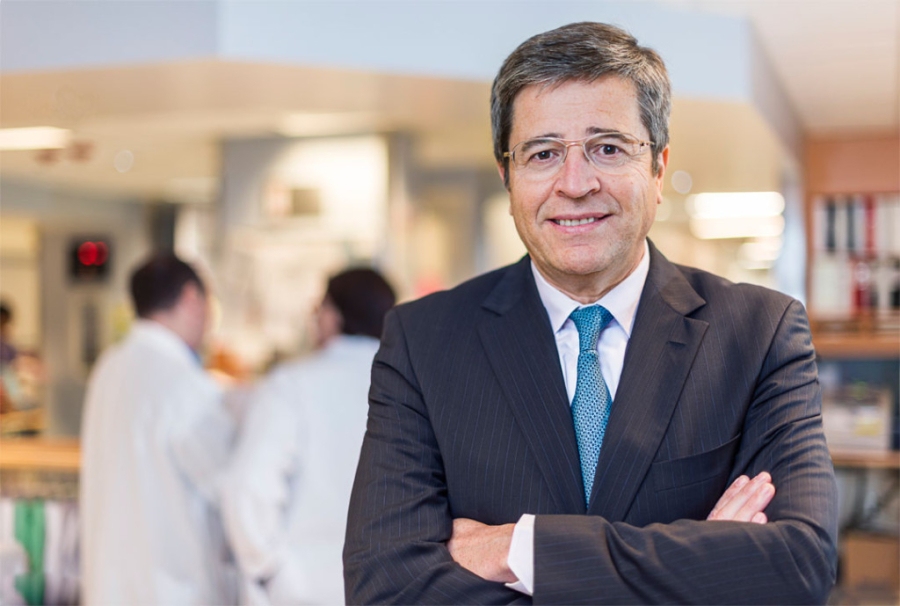
For Dr. Ruel, who had been honing his skills under both Keon and Mesana, a central question emerged: how could heart surgery become less invasive?
“In those days, you could do a single bypass through a small incision,” he said. “But not multiple bypasses using multiple arteries. That became something of a ‘holy grail’ for me.”
Over time, that goal became a reality. Minimally invasive multi-vessel bypass techniques—performed without opening the breastbone—have significantly reduced recovery time and bleeding while improving outcomes. The approach has drawn international teams to Ottawa, and Dr. Ruel has trained more than 150 teams worldwide, including in the United States, France, Japan, and India.
Most recently, in early 2026, Dr. Ruel collaborated with the adult cardiac surgery and transplantation team at Hôpital Marie-Lannelongue (part of the Groupe Hospitalier Paris Saint-Joseph) in Le Plessis-Robinson, Paris. Together, they performed the country’s first robot-assisted multi-arterial coronary artery bypass graft surgery, a technique he pioneered.
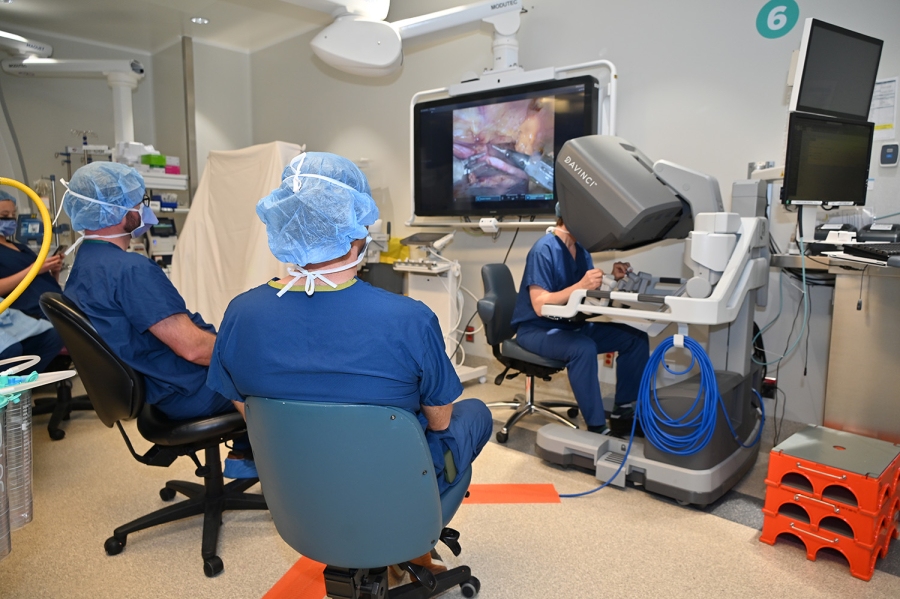
The procedure uses multiple arteries to bypass blockages on a beating heart. Robotic assistance enhances surgical precision and control, allowing surgeons to operate in tight spaces and perform complex multi-arterial grafting through small incisions.
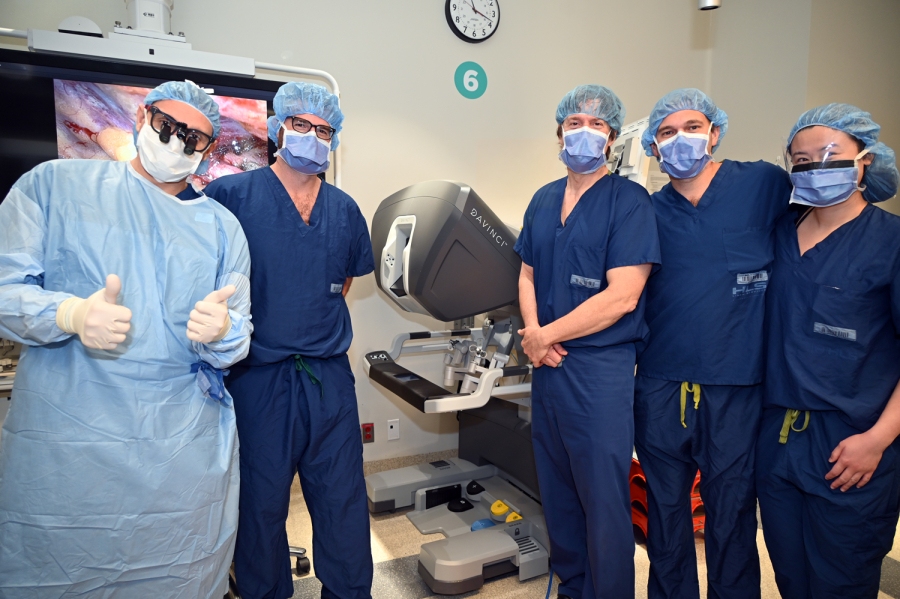
The Heart Institute has performed more than 1,000 novel minimally invasive heart bypass surgeries, and the program is widely regarded as one of the world’s leading centres for minimally invasive bypass innovation—positioning Dr. Ruel and the Heart Institute at the forefront of the global shift toward less invasive heart surgery.
People at the centre
Despite technological advances, one principle remains unchanged: heart surgery is a team effort.
“You cannot do cardiac surgery alone—it’s impossible,” said Dr. Ruel. “Even the simplest operation requires a fully functioning team.” That team includes anesthesia, nursing, and allied health professionals, each playing a critical role in patient care. “If any part of that system fails,” he said, “even something small, it can have serious consequences.”
For Dr. Pierre Voisine, who leads the Division of Cardiac Surgery, that collective commitment is one of the Heart Institute’s defining strengths.
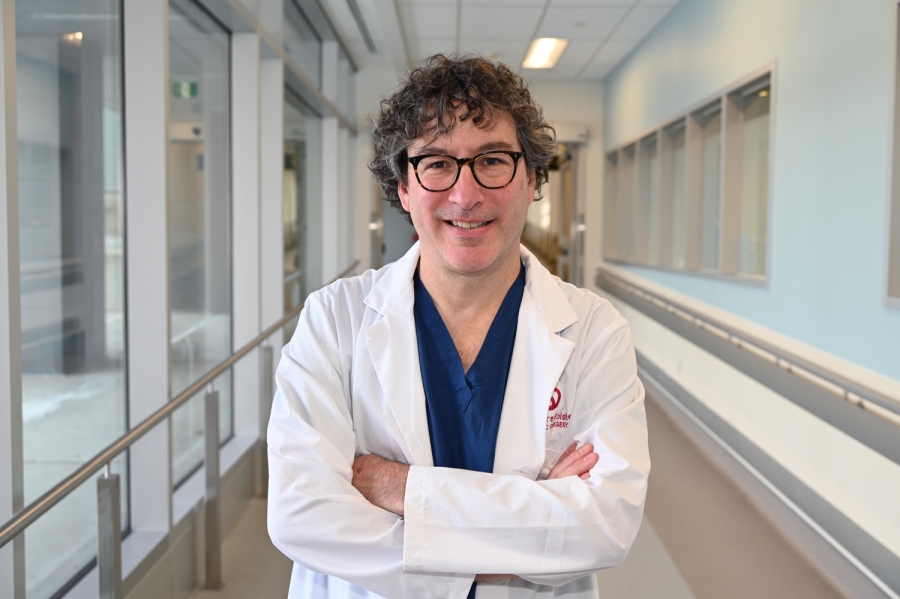
“What struck me when I arrived was the pride people have in working here,” he said. “Patients feel it in every interaction—not just in the operating room, but throughout their entire experience.”
Looking ahead, Dr. Voisine said minimally invasive and catheter-based approaches, robotics, imaging, and artificial intelligence will continue to shape cardiac surgery.
AI may help clinicians integrate anatomical, physiological, and genetic data to better understand each patient and guide treatment decisions. At the same time, he noted, new technologies must be balanced against cost, complexity, and long-term outcomes.
Looking forward
Fifty years on, the tools and techniques have changed almost beyond recognition.
“The difference between then and now is like day and night,” said Dr. Bédard. “But what has endured is the camaraderie, the respect, and the trust that started it all.”
“I’ve operated in many centres around the world,” Dr. Ruel said. “The Ottawa Heart Institute has some of the best team dynamics you could hope for.”
For Dr. Voisine, the challenge of the next 50 years will be to continue advancing while preserving what has always defined the Heart Institute.
“A less invasive procedure has to deliver the same results,” he said. “There can be no compromise on quality. Technology will evolve, but what truly matters are the people—their pride, their collaboration, and above all, their commitment to patients.”
Ultimately, it is that human foundation—built over decades, case by case—that continues to drive cardiac surgery forward.
The Ottawa Heart Institute is celebrating 50 years of heart in 2026. Visit our anniversary webpage!
Never miss a Beat
Want interesting stories like this delivered straight to your inbox as they happen?
Subscribe to our mailing list