

Canada is at an important moment in our history.
We are being asked to think differently about what we can build for ourselves, how we strengthen our economy, and build resilient communities.
In his Forward Guidance address to Canadians in September, Prime Minister Mark Carney put it plainly: when it comes to Canada's future, “nobody in this country is in the stands. Forty million of us are on the ice.”
That same spirit should apply to healthcare.
For generations, Canada has built a healthcare system that is exceptional at treating people when they become sick. We have world-class hospitals, highly skilled clinicians and remarkable technologies that save lives when serious illness occurs.
But what if we could change the starting point?
What if our healthcare system were designed not only to treat disease, but to find it earlier, and whenever possible, prevent it altogether?
We can do that with cardiovascular disease. In fact, we already are.
About eighty percent of heart disease is preventable. High blood pressure, high cholesterol, diabetes, smoking and other modifiable risk factors can be addressed to help reduce the risk of heart disease.
The challenge is that our healthcare system, for the most part, is built to respond to disease rather than systematically set up for prevention. This needs to change.
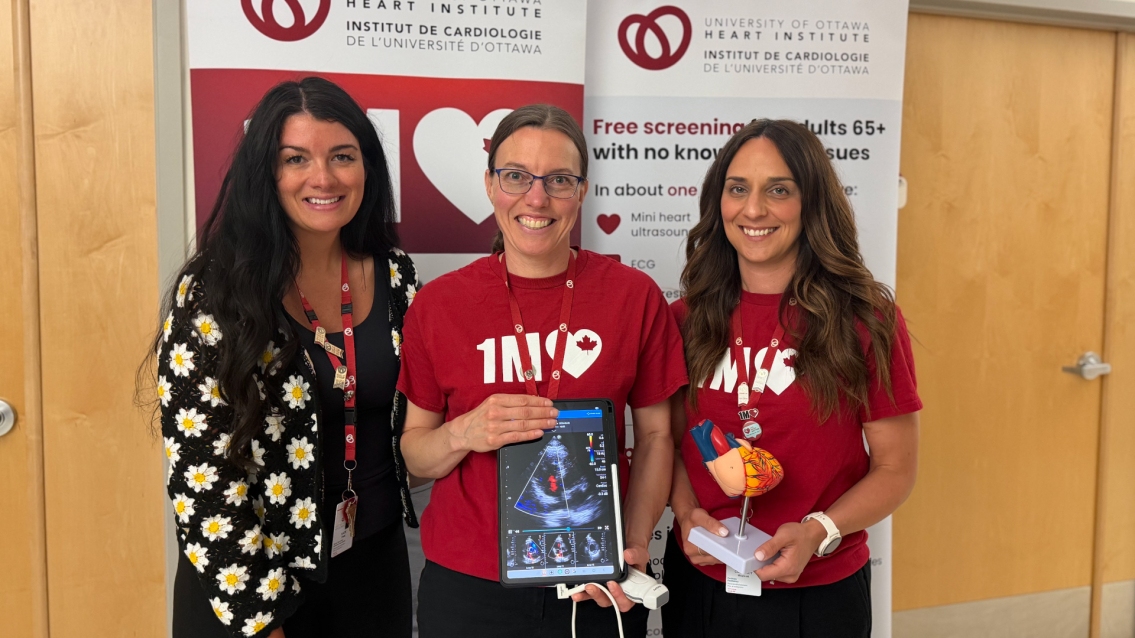
A year ago, the Ottawa Heart Institute launched One Million Canadian Hearts with a simple but ambitious goal to screen one million Canadians for heart health.
To date, along with partners in the sector, thousands of people with heart disease risk factors have been identified across diverse communities. Screening has found that as many as 25% (1 in 4) had previously undetected or uncontrolled cardiovascular risk factors.
These numbers matter. But the people and the approach behind them matter even more.
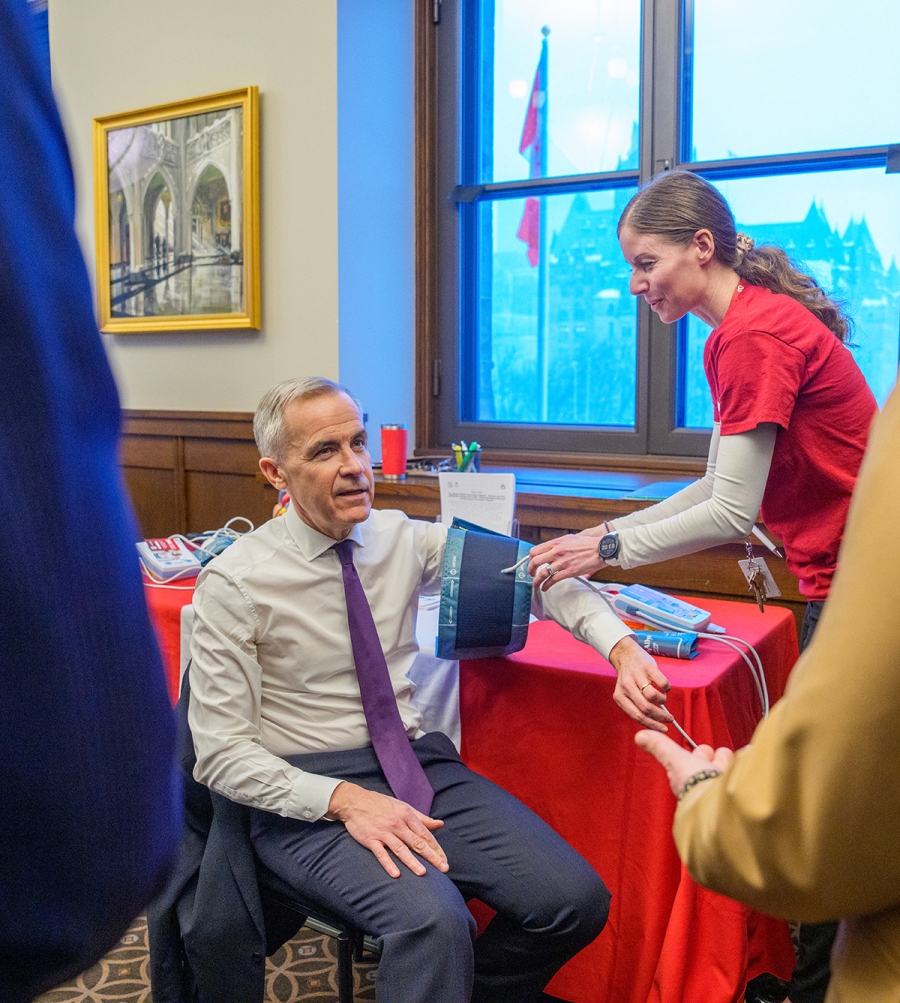
One Million Canadian Hearts is testing what happens when prevention moves upstream: finding people at risk before they become hospital patients, connecting them to the care and supports they need, and using what is learned to build a better model of care.
We’re helping people like Penny, 73, from Ottawa. While waiting for her husband to finish his haircut at their local shopping centre, she noticed a mobile screening clinic next door was accepting walk-ins. She was quickly referred for a follow-up consultation, which led to an aneurism diagnosis requiring an urgent heart procedure.
Penny, who walked 10 kilometres each day, always considered herself healthy. She had no symptoms and no heart disease history in her family that would have led her to think she could be at risk. She is now back to walking and has since referred many of her friends for screening. Many of them had abnormal findings as well.
Canada’s approach to cancer prevention follows this model: assess risk and prevent disease through tobacco prevention, while organized screening detects cancer or precancerous changes early enough for healthcare providers to intervene.
In Canada, we have the research institutions, healthcare professionals, public health systems and community organizations to make cardiovascular prevention a more fundamental part of Canadian healthcare. But we need to connect these pieces around a common ambition.
This means making it easier for Canadians to know their numbers; bringing screening and prevention into communities and trusted settings, not relying on people to seek care when something feels wrong. It means identifying a risk factor leads to action, be it through primary care, medication when appropriate, lifestyle supports, intervention and ongoing follow-up.
As Canadians question the sustainability of our healthcare system, the cost of prevention cannot be the only number in the conversation. The cost of failing to prevent disease matters just as much.
Every heart attack prevented is more than one fewer hospital admission. It means fewer procedures, less rehabilitation and medication, and less time away from work.
Cardiovascular disease alone is the costliest disease in Canada, totalling $21.2 billion in direct (medical) and indirect (lost earnings) costs. Prevention is an investment in the sustainability of our healthcare system and economy—and in longer, healthier lives.
Canada is rediscovering what it can accomplish when it works toward a common goal. Healthcare deserves that same ambition.
Government, healthcare systems, clinicians and researchers, communities, every Canadian – we all have a role.
We’re all on the ice.
Dr. Rob Beanlands
President and CEO, University of Ottawa Heart Institute
Bonnie Bowes, RN, MHScN
Chief Nursing Officer, University of Ottawa Heart Institute
Dr. David Messika-Zeitoun
Medical and Scientific Director of the One Million Canadian Hearts program
University of Ottawa Heart Institute
Dr. Sean Virani
President, Canadian Cardiovascular Society
The Ottawa Heart Institute is celebrating 50 years of heart in 2026. Visit our anniversary webpage!
Never miss a Beat
Want interesting stories like this delivered straight to your inbox as they happen?
Subscribe to our mailing list