

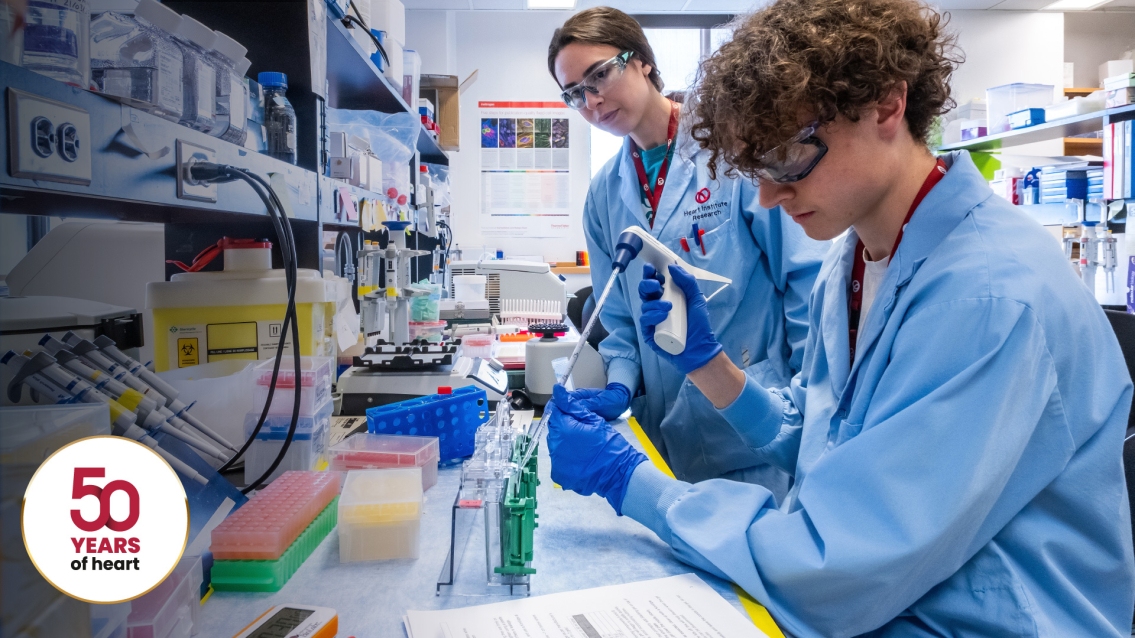
In a laboratory at the Ottawa Heart Institute, experiments rarely unfold the way they’re planned.
Cells don’t behave. Instruments fail. Hypotheses collapse.
And yet, for Marcelo Muñoz, PhD, a pharmacist, chemist and associate scientist who came to the Institute as a postdoctoral fellow in 2018, that is precisely the point.
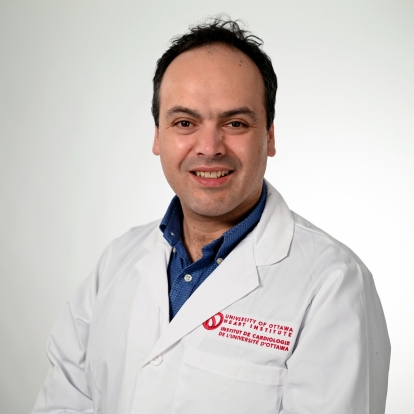
“Research is demanding,” he said. “If you look at the time spent in research, 95 to 99 percent of it is failure.”
Still, for Marcelo, every Monday brings a reset.
“You wake up thinking, ‘This is the week it’s going to work.’”
It is a mindset that reflects the past 50 years of research at the Ottawa Heart Institute: persistent, collaborative, and often defined less by certainty than by passion and the willingness to keep trying.
Over five decades, that persistence has helped reshape global cardiovascular medicine, moving from fundamental discoveries about how the heart works, to breakthroughs that changed how disease is treated, and now toward a future focused on prevention and better health for all.
More than just a pump
One of the earliest discoveries later associated with the Ottawa Heart Institute fundamentally changed how the world understands the heart.
In 1981, Adolfo de Bold, PhD, discovered the heart is not just a mechanical pump, but a endocrine organ—one that produces hormones regulating blood pressure and fluid balance. The molecule he identified, atrial natriuretic factor, later led to the development of brain natriuretic peptide testing, now used worldwide to diagnose heart failure.
It was a discovery that reframed the heart itself.
Before it, cardiovascular medicine focused almost entirely on structure and flow. After it, the heart was understood as an active regulator of the body’s internal chemistry.
“It was a landmark discovery,” said cardiologist Peter Liu, MD, who served as the Ottawa Heart Institute’s chief scientific officer and vice-president of research from 2012 to 2024. “It changed our fundamental understanding of cardiovascular biology.”
A few decades later, a discovery from Ottawa would again shift the global conversation.
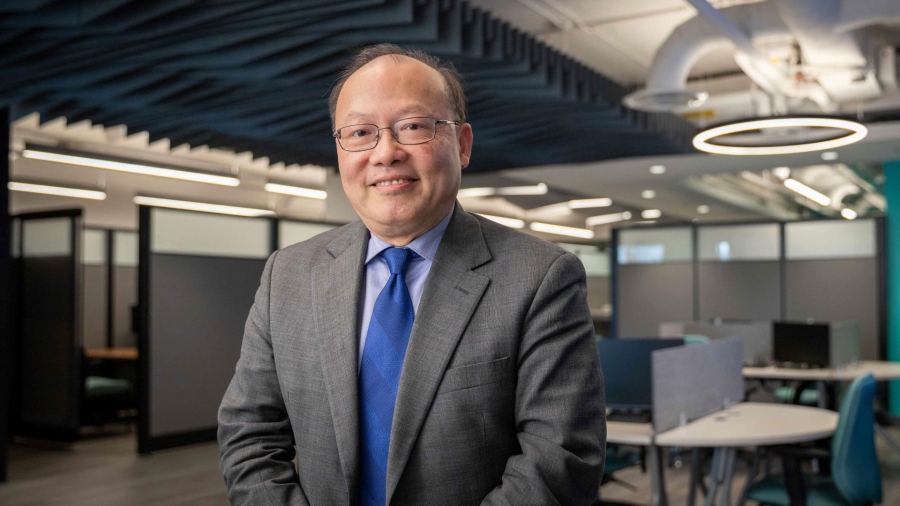
In 2007, researchers led by Ruth McPherson, MD, PhD, identified the 9p21 gene, the first major genetic risk factor for coronary artery disease uncovered since cholesterol itself. The variant increases the risk of heart attack by up to 40 percent and has since become a cornerstone of genetic risk scoring worldwide.
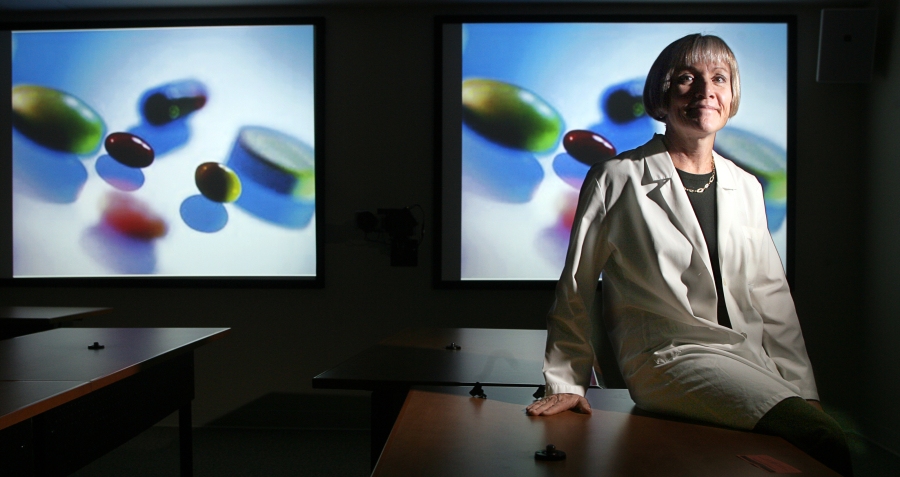
Together, these discoveries placed the Ottawa Heart Institute at the forefront of a rapidly changing field—one where heart disease was no longer just something to observe and treat, but something to understand at the molecular level.
When discovery becomes care
Understanding the heart, however, was never the end goal. The focus has always been translation.
Several landmark advances show how discovery at the Institute is translated into patient care —from advanced diagnostic imaging to innovative surgical techniques and system-wide improvements in emergency cardiac care.
- Cardiologist and clinician-scientist Rob Beanlands, MD, together with physicist Rob deKemp, PhD, led the establishment of the National Cardiac PET Centre at the Ottawa Heart Institute, pioneering advanced PET imaging for assessing heart blood flow, metabolism and inflammation. Their work helped position the Institute as a global leader in cardiac imaging and transformed the way clinicians diagnose and manage cardiovascular disease.
“The Institute embraced a new technology at a time when many thought it couldn’t be done,” said Dr. Beanlands, now the Heart Institute’s president and chief executive officer. “What made it especially meaningful was seeing the research translated directly into patient care. We built something that not only changed how we understand heart blood flow, metabolism and inflammation, but also helped put the Heart Institute on the world stage as a leader in cardiac imaging.”
- Surgeons led by Marc Ruel, MD, developed minimally invasive coronary bypass techniques that reduced trauma and shortened recovery times for patients.
“When people ask where multi-arterial heart bypass surgery was made less invasive, Ottawa is the answer,” said Dr. Ruel. “The other day, we sent a patient home one day after bypass surgery. Our physiotherapist came to tell me, ‘I've never seen this—he's moving around like he actually didn't have surgery.’”
- Michel Le May, MD, led work that transformed the treatment of STEMI heart attacks, showing that patients have better outcomes when they are taken directly to specialized cardiac care rather than following traditional emergency pathways.
“Our research led to a pioneering concept of a dedicated city-wide protocol for severe heart attack that has become a model for regional systems nationally and internationally,” said Dr. Le May, who directs the Heart Institute’s Regional STEMI Program. “We developed what we called a Formula 1 protocol for STEMI patients, where every member of the team played a critical role in reopening blocked arteries faster, saving lives, and getting patients back to their loved ones.”
- Earlier generations, including Wilbert Keon, MD, pioneered artificial heart technology in Canada, including the use of the Jarvik-7 as a bridge to transplant.
“Research is a team sport,” said Dr. Peter Liu. “Great discoveries happen when people from different disciplines work together toward common goals.”
At the Heart Institute, that model is possible because labs and clinical spaces are in the same building, often on the same floors, and sometimes just steps away from each other.
“I can finish clinical rounds, identify unanswered questions, and then immediately go speak with researchers,” Dr. Liu said. “That proximity accelerates discovery.”
A shift in what “success” means
For Katey Rayner, PhD, the Ottawa Heart Institute’s current chief scientific officer and vice-president of research—and the first woman appointed to lead the Institute’s research enterprise—the biggest change over the past 50 years has been how success itself is defined.

“Fifty years ago, research was often measured by activity or publications,” she told The Beat. “Those remain important. But today, we don’t stop there. We want impact.”
That idea of impact, she added, also extends beyond the laboratory and the clinic. It includes how the community connects with the work being done inside the Institute.
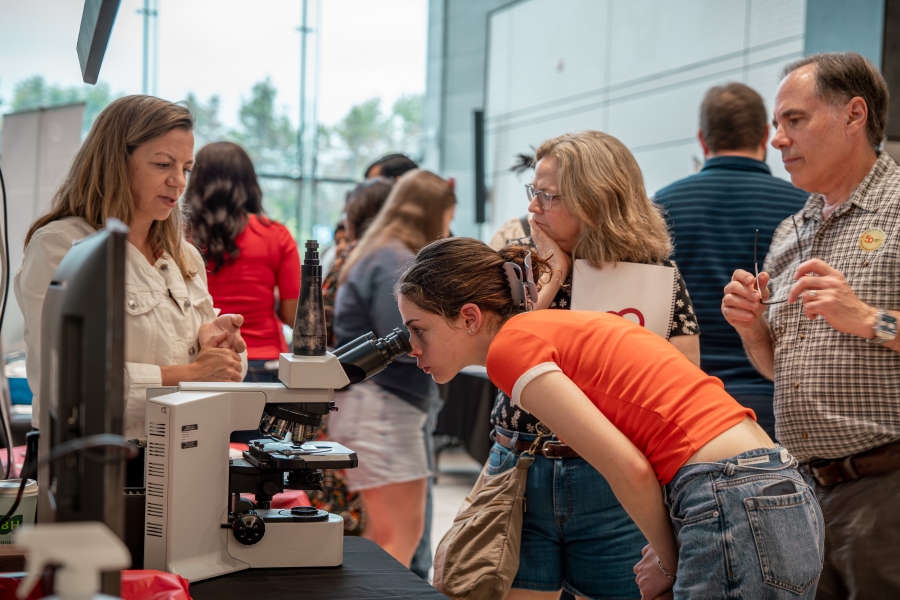
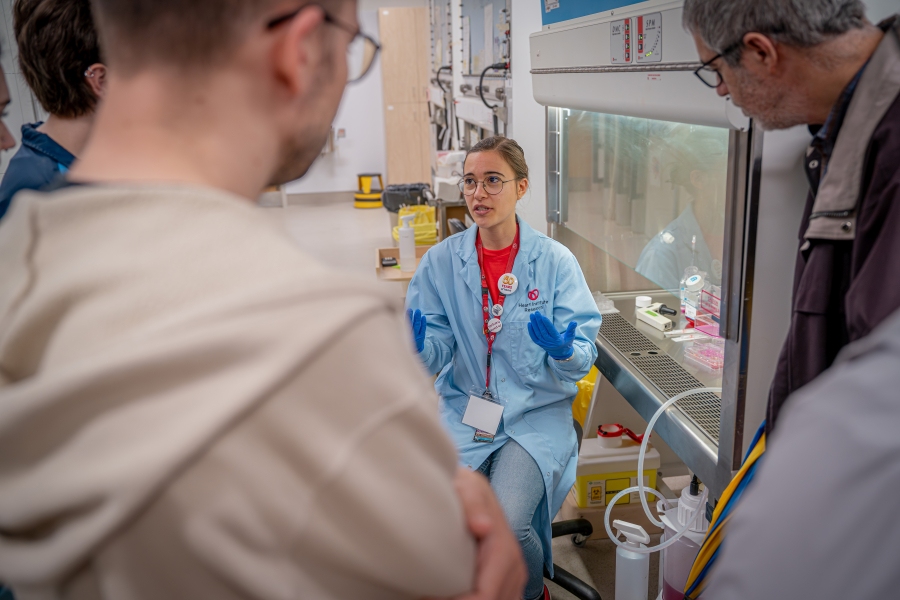
Initiatives like Doors Open Ottawa have given members of the public the chance to step inside the Heart Institute’s research spaces, meet scientists, and see experiments up close.
“It changes things when you see it in person,” she said. “It’s not abstract anymore. You realize these are people doing the work, and that it’s happening here, in your community.”
That closeness, said Dr. Rayner, helps shift how people think about research.
“We want people to understand that research isn’t separate from patient care—it’s part of it,” she said.
Looking ahead, Dr. Rayner sees a future shaped by early detection, artificial intelligence, gene editing, and systems-based medicine that connects the heart to the brain, metabolism, and immune system.
“It’s about wellness, not simply avoiding illness,” she said. “We’re thinking more about how people live, not just how long they live.”
Looking forward
Fifty years after its early discoveries, the Ottawa Heart Institute finds itself at a new threshold—one where the science is advancing faster than the systems designed to deliver it.
“If we could predict exactly who would have a heart attack five years in advance,” Dr. Rayner said, “we would still need systems in place to act on that information.”
That challenge, she added, will define the next era of cardiovascular medicine.
Still, the trajectory is clear: earlier detection, more personalized treatment, and an increasing focus on prevention rather than response.
And through it all, the same human forces remain constant—just as they were in 1976.
The Ottawa Heart Institute is celebrating 50 years of heart in 2026. Visit our anniversary webpage!
Never miss a Beat
Want interesting stories like this delivered straight to your inbox as they happen?
Subscribe to our mailing list