

OTTAWA, November 8, 2025 – A groundbreaking international study co-led by the Ottawa Heart Institute and the Research Institute of the McGill University Health Centre has found that patients who have undergone a successful catheter ablation for atrial fibrillation (AF) may no longer need to continue long-term blood thinner therapy — a discovery poised to change clinical practice for millions of people worldwide.
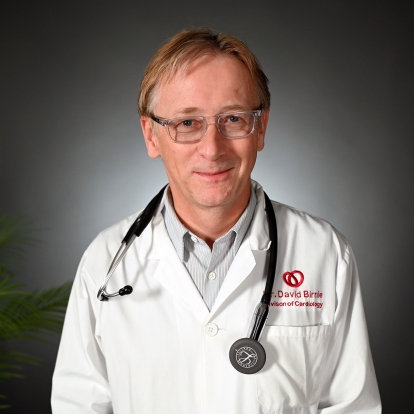
The Optimal Anticoagulation for Enhanced Risk Patients Post-Catheter Ablation for Atrial Fibrillation (OCEAN) trial was co-led by David Birnie, MD, head of the Division of Cardiology at the Ottawa Heart Institute and professor in the Department of Medicine at the University of Ottawa, and Atul Verma, MD, director of the Division of Cardiology at the McGill University Health Centre (MUHC) and McGill University, and a senior scientist in the Cardiovascular Health Across the Lifespan Program at the Research Institute of the MUHC. The trial followed 1,284 patients across multiple international sites over a three-year period. The findings are published in the New England Journal of Medicine (NEJM) and were presented today at the American Heart Association (AHA) Scientific Sessions 2025 in New Orleans, U.S.A.
For years, patients who underwent AF ablation to restore a normal heart rhythm were routinely advised to continue life-long oral anticoagulants, or “blood thinners” – even if the ablation was successful – to prevent stroke or embolism (the obstruction or blockage of blood vessels). This recommendation persisted because physicians were uncertain whether ablation reduced the risk of stroke. The OCEAN trial provides the first definitive evidence that after a successful ablation the risk of stroke is so low that most patients can stop taking blood thinners.
“For the majority of the one million people each year who undergo catheter ablation for atrial fibrillation, this study is a game-changer,” said Dr. David Birnie, co-principal investigator of the OCEAN trial. “Our results show that one year after a successful ablation, the risk of stroke is so low that the downsides of continuing blood thinners outweigh the benefits, meaning many patients can safely stop taking them.”
Dr. David Birnie discusses the OCEAN trial and what the findings mean for patients.
The randomized international study compared patients taking rivaroxaban (a commonly prescribed anticoagulant) with those taking aspirin. After three years, there was no significant difference in the rates of stroke or embolism between the two groups. The rates were extremely low and indeed were similar to those in people who had never had AF. Importantly, patients taking blood thinners experienced more clinically significant bleeding events, underscoring the potential harms of unnecessary anticoagulation.
“This is one of the most important clinical questions in modern electrophysiology, and the OCEAN trial gives us the answer we’ve been seeking,” said Dr. Atul Verma, co-principal investigator of the trial and corresponding author of the study published in the NEJM. “It’s incredibly rewarding to see years of careful research translate directly into safer, simpler care for patients.”
The OCEAN trial was conducted through a collaborative network of cardiovascular research centres across 56 sites in Canada, Europe, China and Australia. George Wells, PhD, and his team at the Ottawa Heart Institute’s Cardiovascular Research Methods Centre, together with Nurse Sonya Jancar and the electrophysiology research group, coordinated all aspects of the trial.
“This study is a testament to what can be achieved when researchers, clinicians and institutions around the world work together toward a common goal,” said Dr. George Wells, director the Cardiovascular Research Methods Centre at the Ottawa Heart Institute. “Collaboration was essential to ensuring the study’s rigour and impact, and it’s what ultimately allows findings like these to improve patient care on a global scale.”
OCEAN was supported by Bayer, Abbott, Biotronik, the Canadian Institutes for Health Research (CIHR), the University of Ottawa Heart Institute Accelerate Funding Program, the Canadian Stroke Prevention Intervention Network (CSPIN), the Brain-Heart Interconnectome Canada First Research Excellence Fund, and the Rosenfeld Heart Foundation.
For more information
Read the study: Antithrombotic Therapy After Successful Catheter Ablation of Atrial Fibrillation
Media contacts
To schedule an interview with Dr. David Birnie and/or Dr. George Wells, please contact:
Leigh B. Morris
Communications Officer
University of Ottawa Heart Institute
613-316-6409 (cell)
lmorris@ottawaheart.ca
To schedule an interview with Dr. Atul Verma, please contact:
Fabienne Landry
Communications Coordinator, Research
McGill University Health Centre
514-812-7722 (cell)
Fabienne.landry@muhc.mcgill.ca