


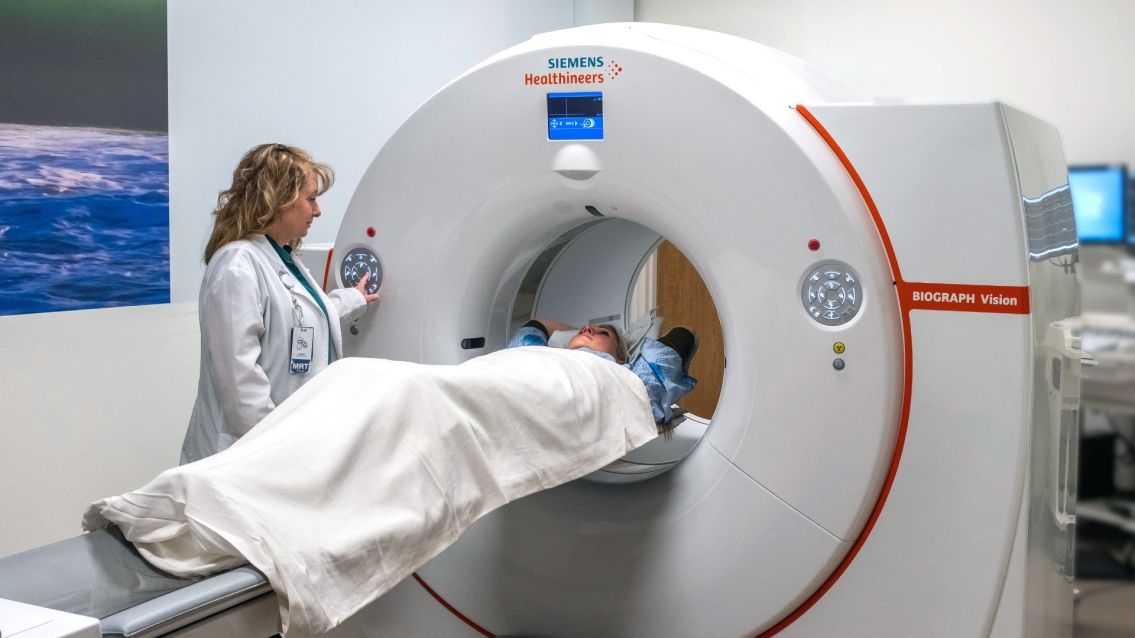
OTTAWA, April 17, 2026 — A promising new medical imaging technology developed in Ottawa is now being tested in people for the first time, marking a major milestone for researchers at the Ottawa Heart Institute and Yellowbird Diagnostics, the homegrown biotech company it helped launch.

The Heart Institute today announced the start of a first-in-human clinical trial of NeuCaVis™, a novel PET imaging agent developed by Yellowbird Diagnostics. The first participants in the trial were administered with the novel imaging agent at the Ottawa Heart Institute last week. This trial comes at a time when there is growing demand for Canadian-made technologies that advance diagnostics and patient care.
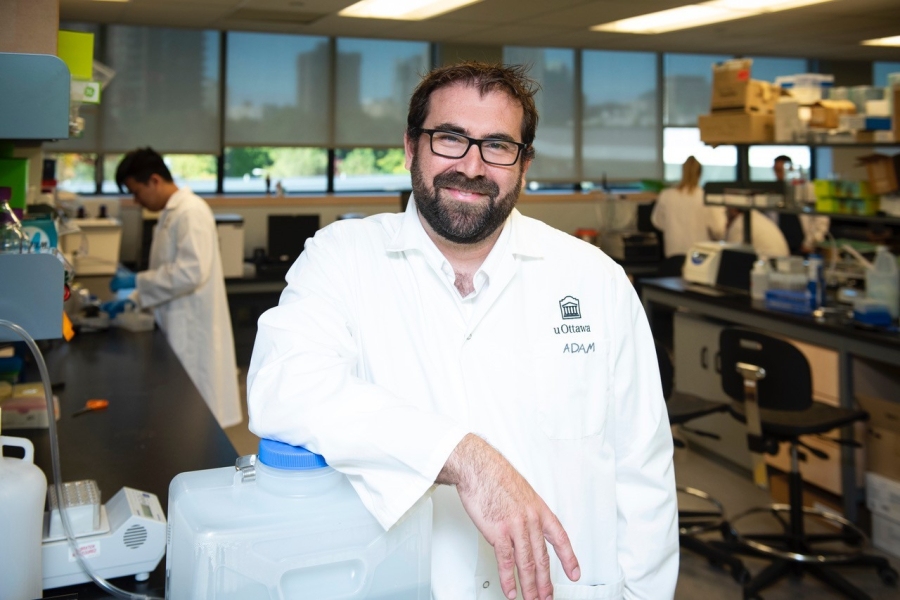
“This is a proud and exciting moment for Yellowbird Diagnostics, the Ottawa Heart Institute, and the University of Ottawa Faculty of Science,” said Adam Shuhendler, PhD, co-founder and chief scientific officer of Yellowbird Diagnostics and scientist at the Ottawa Heart Institute. “This technology was born out of scientific curiosity and now is being tested in volunteers here at home. It demonstrates what’s possible when scientists and clinicians come together to improve patient care.”
Conventional PET scans determine disease by tracking how the body uses glucose (a common sugar), which is often elevated in disease states. However, it is difficult to see these changes in the brain and heart where glucose is always critical to their function. NeuCaVis™ is a radiolabelled form of fructose, another common sugar, that the brain and heart rarely use unless experiencing inflammation linked to disease. This will help clinicians more confidently identify disease processes that are often difficult—or impossible—to see with current imaging standards.
While the current study is focused on safety and tracer distribution in healthy volunteers, inflammation is a key driver of many serious conditions, including heart disease, cancer, and neurological disorders. By producing a clear, disease-specific signal without background interference, NeuCaVis™ has the potential to enable earlier and more accurate diagnosis across a wide range of diseases.
The Phase 1 trial will evaluate the safety, tolerability, and distribution of the imaging agent in healthy volunteers, representing the first step toward broader clinical applications.
“This milestone reflects years of work and a shared vision to improve how we detect disease,” said Katey Rayner, PhD, chief scientific officer and vice president of research at the Ottawa Heart Institute. “While we’re beginning with the heart, this technology has the potential to impact many areas of medicine where inflammation plays a critical role.”
Beyond its clinical promise, the trial underscores the strength of Ontario’s life sciences ecosystem, and the critical role Ottawa plays within it. In partnership with the Ottawa Heart Institute, Capital BioVentures (Ottawa’s biotech accelerator) played a key role by providing manufacturing space in the Ottawa Heart Institute, funding, and critical expertise to enable reaching this first-in-human clinical milestone.
From discovery in academic laboratories, to startup creation, and now clinical testing, this milestone highlights the region’s ability to build, advance, and retain world-class medical innovation in the nation’s capital.
“This first-in-Canada trial here at the Ottawa Heart Institute demonstrates how integrating discovery, clinical expertise, and infrastructure can rapidly translate Canadian science to benefit our patients faster, showing that coordinated investment in research and clinical capacity is key to strengthening our innovation ecosystem while delivering real impact for patients,” said Dr. Rayner.
About the Ottawa Heart Institute
Recognized as one of Canada’s most distinguished heart health centres, the Ottawa Heart Institute delivers unparalleled patient care, leads globally recognized research from bench to bedside, and plays a national leadership role in heart disease prevention. Serving communities from Eastern Ontario, Western Quebec, Nunavut and Newfoundland and Labrador, the Institute strives to ensure care, research and education support heart health for all. The Ottawa Heart Institute promise remains: Always putting patients first.
About Yellowbird Diagnostics
Yellowbird Diagnostics develops plug-and-play imaging dyes for common medical imaging procedures. Our solutions provide vital early imaging for patients facing a wide array of conditions that are currently difficult to diagnose. By revealing otherwise invisible hallmarks of disease, our products empower clinicians to make earlier and more effective medical decisions.
To coordinate an interview with an expert from Yellowbird Diagnostics and the Ottawa Heart Institute, please contact the liaison below.
Media contact
Leigh B. Morris
Communications Officer
University of Ottawa Heart Institute
613-316-6409 (cell)
lmorris@ottawaheart.ca