

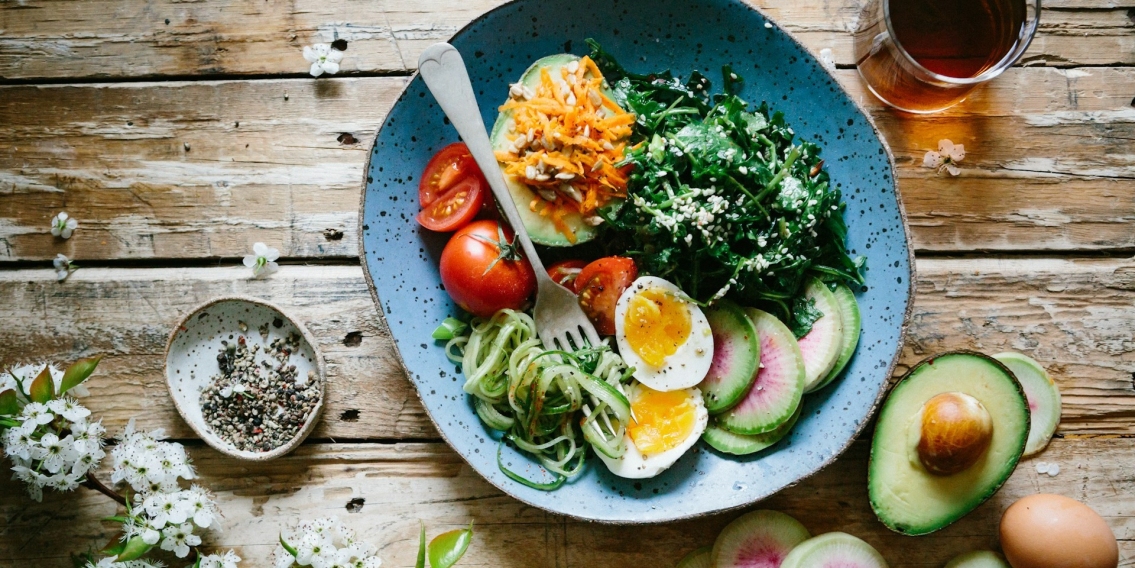
What you eat affects important factors that contribute to heart disease. Making healthy choices about the food you eat can improve your:
- Blood cholesterol and triglycerides
- Blood pressure
- Blood sugar levels (glucose)
If you have a condition such as coronary artery disease or heart failure, healthy eating can slow the progression of your condition and help you manage it, as well as improve the health of your arteries.
The following resources offer practical information in a variety of formats:
- You can find more information in our coronary artery disease guide and heart failure guide.
- Our nutrition video series will also help you to learn more about heart-healthy eating and get the facts on fat, cholesterol, fibre, salt, etc.
- Finally, making healthy food choices doesn’t have to be overwhelming. To help you, here are the top 10 tips for healthy eating.
On this page
Cooking at home

What is a home-cooked meal?
A home-cooked meal is a meal made and cooked at home from fresh ingredients, instead of one that is bought ready-made, ordered from a restaurant, or reheated from a package.
Home-cooked meals don’t need to be fancy or time-consuming. They can be as simple as a peanut butter and banana sandwich and a glass of milk, or baked chicken, roasted potatoes and green vegetables.
Meals cooked at home should include a food from each of the following groups:
- Vegetables and fruits
- Grain products
- Meat, chicken, fish, tofu, eggs, milk, cheese, yogurt or legumes
Why cook at home?
- Cooking at home gives you more control over what goes into your food
- Cooking at home can be cheaper than eating pre-made meals or restaurant food
- Food cooked at home is lower in salt (sodium)
Tips to cook more at home
- Cook with your family and friends
- Try new recipes; we’ve included on this page links to healthy recipes courtesy of Heart & Stroke
- Cook large batches of soups, stews and casseroles on the weekend to eat during the week or freeze for another day
- Keep ingredients like canned fish, eggs, frozen vegetables, and rice in your cupboard for fast, easy meals
- Plan ahead by creating a meal plan
- If you do use prepared foods, choose lower-sodium options and add a frozen vegetable or bagged salad
How you eat is as important as what you eat

How should I eat?
- Sit at the table or counter to eat
- Try not to do other activities while eating
- Try to turn off all screens, including the TV, phone, tablet and computer
- If you live with others, take this opportunity to connect with friends and family
- If you live alone, set the table nicely and listen to music, the radio or a podcast
What are the benefits of eating with fewer distractions?
- Focusing on your food and avoiding distractions lets you enjoy what you are eating
- You will also be more aware of how much and what you are eating
Tips to start eating with fewer distractions
- Start by eating at the table once or twice each week
- If it’s too difficult to eat supper at the table, start with breakfast
- Turn off your devices while eating
- At work, plan to eat lunch away from your desk
Mealtimes: Eat at regular times and listen to your body
What does it mean to eat at regular times?
- Try to eat breakfast within one to two hours after waking
- Eat every 4 to 6 hours after breakfast
- Try not to skip meals
- If you know it will be longer than 4 to 6 hours between meals, plan a snack
Snacking tips
- Snacks can help keep your energy level up
- Choose vegetables and fruits as a snack
- Plan snacks ahead of time
- Serve your snack in a bowl or on a plate
- Snacks are optional
Tips to eat at regular times
- Set an alarm to remind yourself to eat
- At work, block out time in your calendar for eating
- Plan your meals ahead of time; they can be simple
- Plan to have leftovers or meals you can prepare quickly when you are pressed for time
Listen to your body
How do I listen to my body?
- Listen to your body’s cues; eat when you feel hungry
- Stop eating when you feel full
- Enjoy the food you are eating
- Use all your senses when eating
Tips to listen to your body
- Try to turn off all distractions, such as the TV, computer, phone or tablet
- Don’t rush; eat slowly and savour your food
- Pause during and after your meal to ask yourself how full you are
- Recognizing hunger and fullness takes practice; you will get better at it with time
There is no right way to eat—Instead focus on:
- Not dieting: start with small changes
- Choosing foods that are nourishing and taste good
- The social aspect: eating should be enjoyable
Vegetables and fruits
Why should I eat more vegetables and fruits?
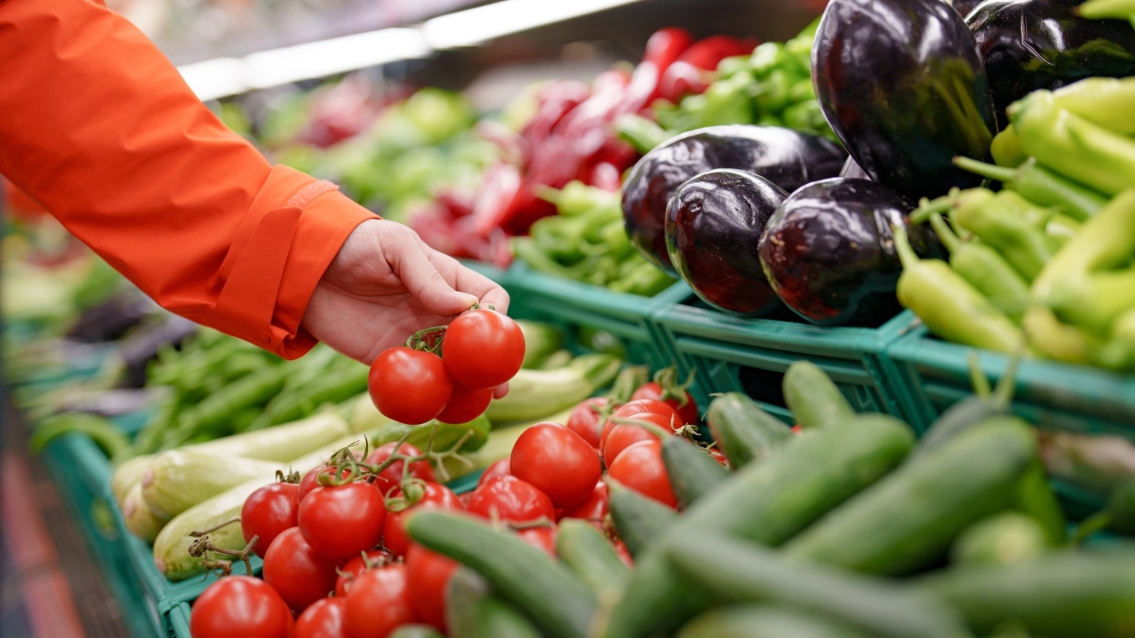
- Eating more vegetables and fruits each day may help reduce your risk of heart disease, diabetes, cancer and stroke
- Eating enough vegetables and fruits may help lower cholesterol and blood pressure
What is a serving of vegetables and fruits?
- A serving of most raw or cooked vegetables is ½ cup
- A serving of most fruit is ½ cup or one small piece of fruit (size of a tennis ball)
- A serving of dried fruit is ¼ cup
Tips for eating more vegetables and fruits
- Eat a vegetable or fruit at most meals and snacks
- Have a piece of fruit for snack
- Keep raw, cut-up vegetables in the fridge for snacking
- Move your vegetables and fruits out of the crisper and onto a higher shelf so you don’t forget about them
- Choose whole vegetables and fruits more often instead of juice
- Use fresh or frozen vegetables and fruits more often; if you buy canned vegetables, make sure to look for “no added salt” versions or rinse regular canned vegetables well; if you buy canned fruit, look for fruit in juice or water
- Roast a large pan of vegetables and eat them all week
Whole grains
What are whole grains?
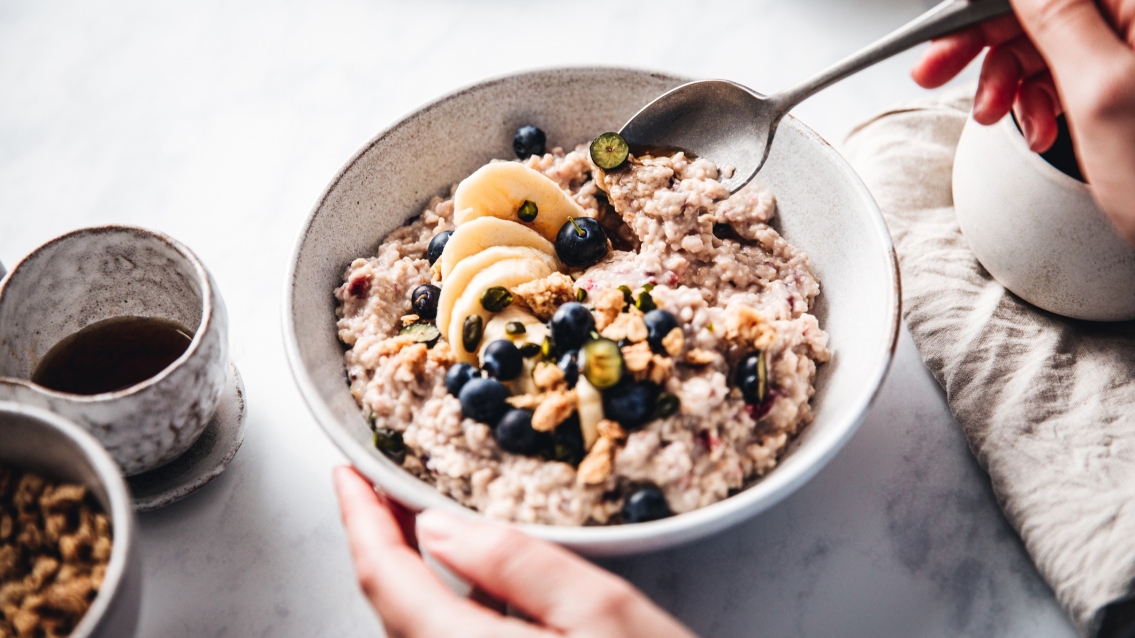
- Whole grains include the entire seed of the plant
- Examples include whole wheat flour, oatmeal, bulgur, barley, quinoa and popcorn
Why should I eat more?
- Whole grains are high in fibre, vitamins and minerals
- Eating whole grains may help reduce your risk of cardiovascular disease and stroke, and help control blood sugars
- Some whole grains including oatmeal, barley and psyllium are high in soluble fibre, which helps to reduce LDL (lousy) cholesterol
- They taste good!
Tips to eat more whole grains
- Have oatmeal for breakfast or as a snack a few times each week
- Add quinoa or barley to salads
- Use dark rye bread or whole grain bread instead of white bread
- Use whole grain pasta instead of white (or try half and half)
- Aim for at least 25 g of fibre each day
Legumes, nuts and seeds
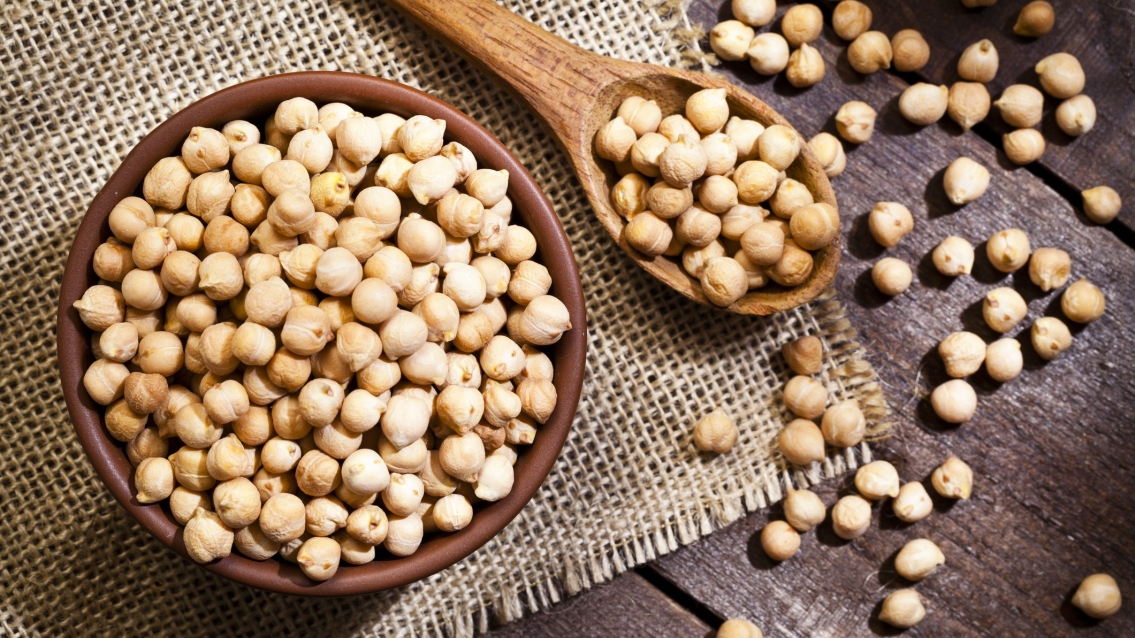
What are legumes, nuts and seeds?
- Legumes include chickpeas, kidney beans, black beans, white beans and lentils
- Nuts include almonds, walnuts and cashews
- Seeds include sunflower, pumpkin, flax and chia
Why should I eat more?
- Eating legumes, nuts and seeds may help to reduce your risk of developing heart disease, diabetes and other chronic diseases
- Legumes, nuts and seeds may help to lower your cholesterol and blood pressure
- Try to include them at least 4–5 times/week
Tips to include more legumes, nuts and seeds
Don’t be afraid of fat
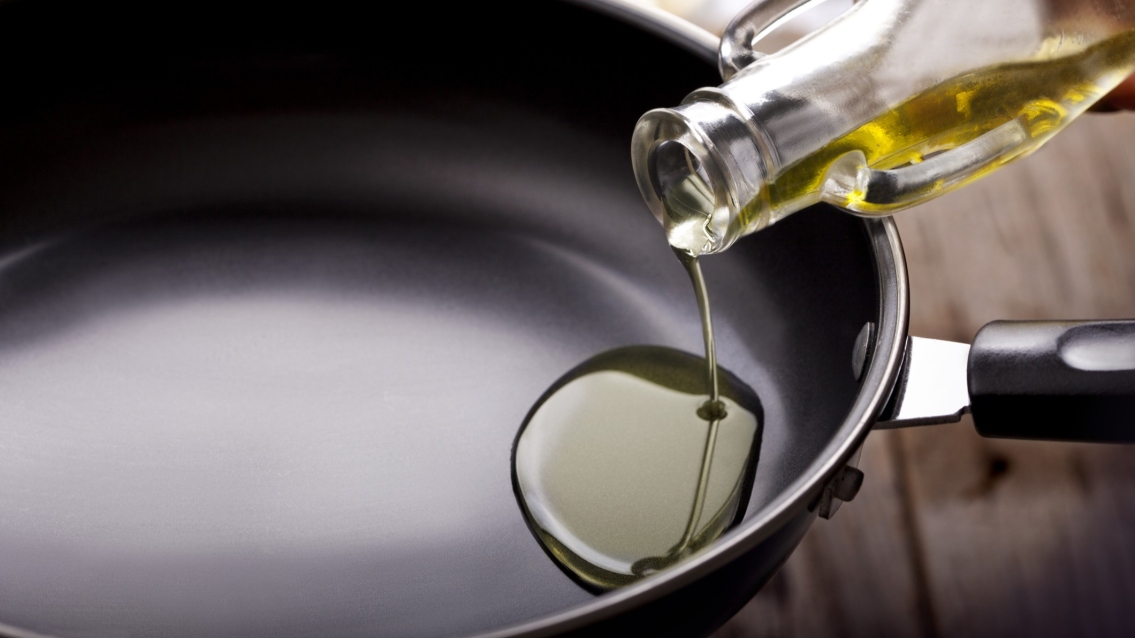
Why is fat important?
- Fat plays an important role in your body
- Fat gives you energy
- There are some fatty acids that our body can’t make on its own
- Fat is a part of cell walls and hormones, and helps to keep our bodies warm
- Fat makes food taste good and keeps you full
Which fats should I eat more often?
- Choose plant-based fats more often, including nuts, seeds and avocado
- When cooking, use a plant-based oil such as olive, canola, sunflower, vegetable or avocado
- Make your own salad dressing at home using your oil of choice
- Eat nuts and seeds as a snack
- Choose chicken and fish more often
Which fats should I eat less often?
- Limit your intake of red meat to two or three times a week
- Choose processed meats once or twice a week, or less often
- Choose 1% or 2% milk
- Choose yogurt with less than 3.25% milk fat
Fluids
Why do I need fluids?
- They help move nutrients and waste through your body
- They help protect and cushion your joints and organs
- They help control your body temperature
- They keep your body hydrated
How much fluids do I need?
- You get fluids from any liquid at room temperature; try to drink water most often
- The amount of fluids you need daily is different for everyone and may change from day to day
- You may need more water in hot weather or when you are active
- If you have heart failure, speak to your doctor about your fluid needs
How do I know if I’m drinking enough?
- Thirst: If you feel thirsty, it may mean you aren’t drinking enough
- Urine: Urine that is light yellow or clear in colour usually means you are getting enough fluids; if your urine is dark yellow and has a strong smell, this may mean you aren’t getting enough to drink
Tips to make water your drink of choice
- Drink water hot or cold
- Drink water with your meals
- Ask for water with your food at restaurants
- Carry a reusable water bottle when you are out
- Try a fruit- or herb-infused water or carbonated water
- Keep a pitcher of water in the fridge or on the table for easy access
- Choose water over pop or juice
What else can I drink?
- 1% or 2% white milk
- Unsweetened, fortified, plant-based drinks such as soy, almond or oat beverages
- Unsweetened coffee and tea; coffee and tea do not cause dehydration
A word from our dietitians
We know changing your eating habits can be hard. At the Ottawa Heart Institute, our team of dedicated dietitians assist hundreds of patients each year. They may come from different backgrounds and lived experiences, but when it comes to successfully reaching their goals, they all have two things in common: small changes over time and support.
You can also tell your friends, family or colleagues about your changes. They can become part of your support system on this journey. Remember the 80/20 rule: 80% of your results will come from 20% of your actions. You’ve got this!