

OTTAWA, July 31, 2026 — An international clinical trial led by the Ottawa Heart Institute has found a less-invasive approach to coronary artery bypass surgery helps patients recover more quickly while maintaining the same safety and one-year outcomes as conventional bypass surgery.
Published in The Lancet, the MIST Trial (Minimally Invasive versus STernotomy) is the first randomized clinical trial to compare minimally invasive coronary artery bypass surgery (MICS CABG) with conventional bypass surgery in patients with multivessel coronary artery disease.
Coronary artery bypass grafting is one of the world's most common major operations. Traditionally, surgeons reach the heart by dividing the breastbone (sternum), an approach that can lead to pain, infection, slower healing and a longer recovery. The minimally invasive technique – developed in Ottawa – instead uses a small incision between the ribs, avoiding the need to split the breastbone.
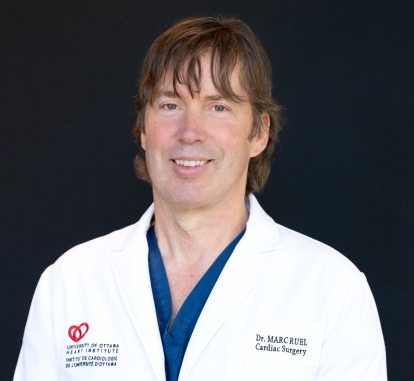
"This study provides the strongest evidence to date that, in experienced hands, minimally invasive bypass surgery can help patients recover faster without compromising the long-term results patients expect," said cardiac surgeon Marc Ruel, MD, principal investigator of the MIST Trial, endowed chair and director of minimally invasive cardiac research at the Ottawa Heart Institute, and professor in the departments of surgery and cellular and molecular medicine at the University of Ottawa Faculty of Medicine. Dr. Ruel pioneered multivessel minimally invasive coronary artery bypass surgery and several other cardiac surgical techniques.
The MIST Trial enrolled 170 patients with multivessel coronary artery disease at seven centres across Canada, the United States, Germany, Japan, China and India. Participants were randomly assigned to receive either minimally invasive or conventional bypass surgery and received a median of three grafts.
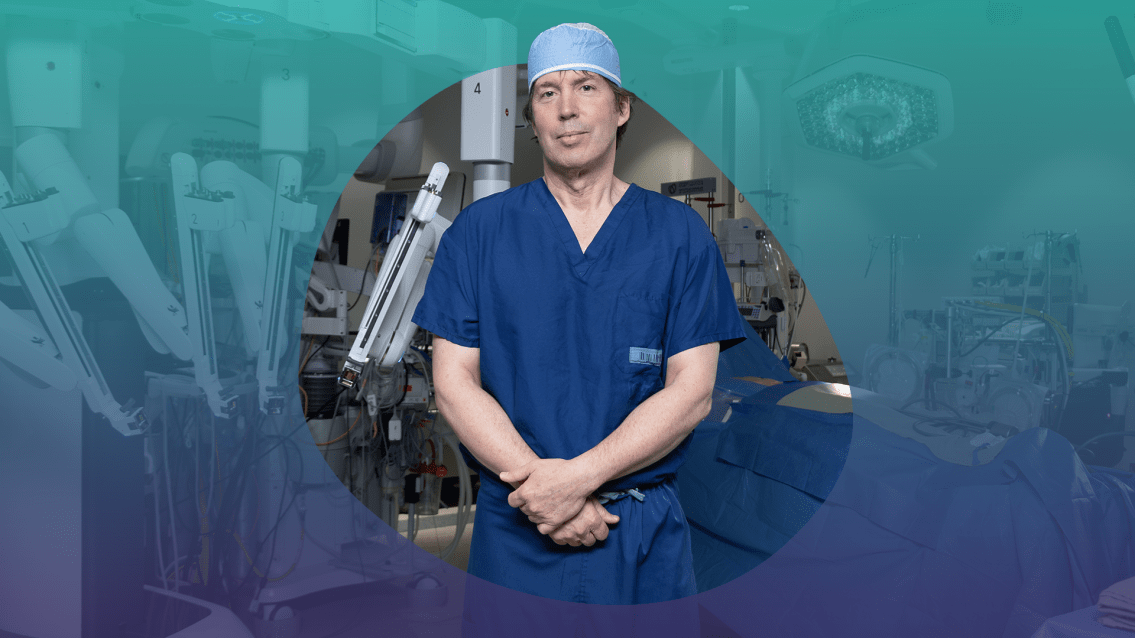
Dr. Marc Ruel discusses the MIST (Minimally Invasive versus STernotomy) Trial, the first randomized study comparing minimally invasive and conventional bypass surgery, published in The Lancet.
One month after surgery, patients who underwent the minimally invasive procedure reported better physical recovery than those who received conventional surgery. They also required fewer blood transfusions and spent less time on mechanical ventilation. After one year, outcomes were similar in both groups, with no deaths or strokes and comparable relief from chest pain.
"The message for patients is simple: in centres with experienced teams, minimally invasive bypass surgery is a safe option that helps people return to their daily lives sooner," said George Wells, PhD, principal biostatistician of the MIST Trial, director and principal investigator of the Cardiovascular Research Methods Centre at the Ottawa Heart Institute, and professor in the School of Epidemiology and Public Health at the University of Ottawa Faculty of Medicine.
Although minimally invasive bypass surgery has been gaining momentum around the world, evidence comparing it with conventional surgery has been limited. Previous studies were largely observational and conducted at single centres.
The MIST Trial provides the first randomized evidence that the procedure improves recovery while maintaining the safety and effectiveness of conventional bypass surgery when performed by experienced surgical teams.
The study also marks an important milestone for Canadian cardiac surgery. The multivessel minimally invasive bypass technique was developed at the Ottawa Heart Institute, where the MIST Trial was conceived, designed and led. This work reflects the Institute's role at the heart of innovation and discovery in cardiovascular medicine and lays an important foundation for further research, expanded surgical training and the careful implementation of minimally invasive bypass surgery at centres with the expertise to perform it safely.
For more information
To coordinate an interview with Dr. Marc Ruel, please contact the media liaison below.
Media contact
Leigh B. Morris
Communications Officer
University of Ottawa Heart Institute
613-316-6409 (cell)
lmorris@ottawaheart.ca