

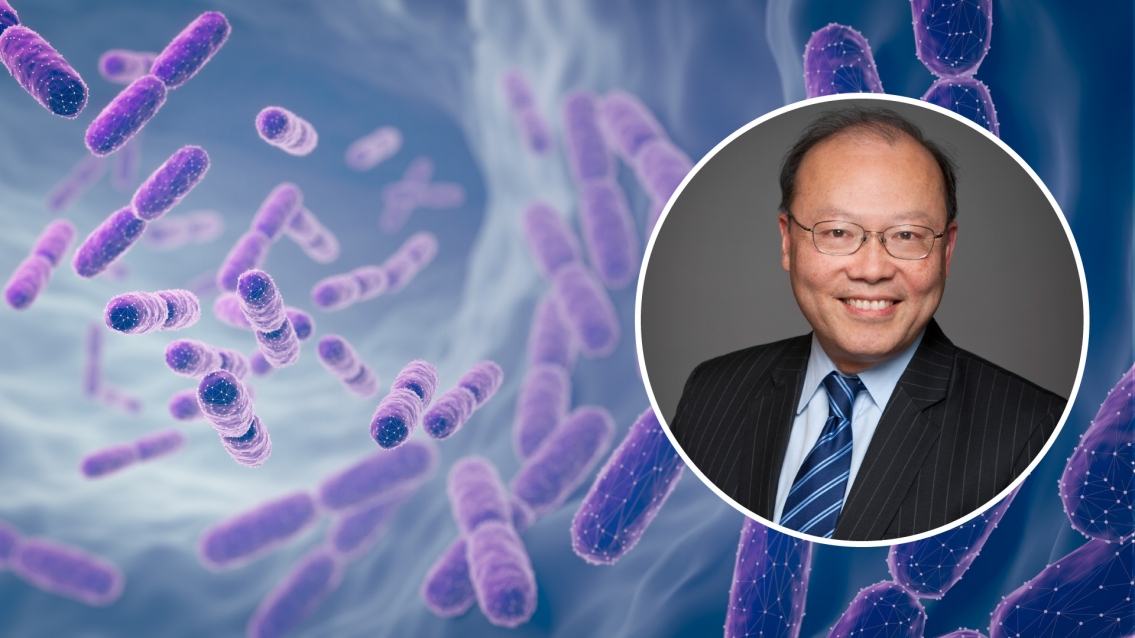
OTTAWA, December 8, 2025 – Scientists at the Ottawa Heart Institute, working with partners at Imperial College London, the French National Centre for Scientific Research (CNRS), Université catholique de Louvain, and the French National Institute of Health and Medical Research (INSERM), have found that a natural molecule made by gut bacteria—called trimethylamine (TMA)—can reduce inflammation and help the body use insulin more effectively. The study is published in Nature Metabolism.
TMA is produced when gut microbes break down nutrients like choline, which is found in common foods. The team discovered that TMA blocks IRAK4, a key protein switch that triggers inflammation in response to high-fat diets. By blocking this pathway, TMA lowered inflammation and improved insulin response in their experiments. When researchers turned off IRAK4 through genetics or drugs, they saw the same beneficial effects, highlighting IRAK4 as a promising target for future diabetes or obesity treatments.
The findings challenge earlier assumptions about TMA and its related compound, TMAO (trimethylamine N-oxide), which is formed in the liver and has been linked to heart disease. Unlike TMAO, TMA appears to play a protective role, improving metabolic health and reducing inflammation. It’s also a new way to think about how our gut microbiome can influence our health.

“In view of the growing threat of diabetes worldwide and its devastating complications for the whole patient, including the brain and heart, a new solution is direly needed,” said Peter Liu, MD, co-scientific director of the Brain-Heart Interconnectome at the Ottawa Heart Institute and one of the senior authors. “Our team’s work connecting Western-style foods, TMA produced by the microbiome, and its effect on the immune switch IRAK4, may open entirely new ways to treat or prevent diabetes, a known risk factor for heart disease.”
The research was made possible through major collaborations across Europe and North America, including Belgium, Canada, France, Italy, and Spain, and is supported by the CNRS–Imperial International Research Project in Integrative Metabolism. The project is also supported by the Brain-Heart Interconnectome through the Canada First Research Excellence Fund (Federal Government of Canada).
For more information
Read the study: Inhibition of IRAK4 by microbial trimethylamine blunts metabolic inflammation and ameliorates glycemic control
Media contacts
To schedule an interview with Dr. Peter Liu, please contact:
Leigh B. Morris
Communications Officer
University of Ottawa Heart Institute
613-316-6409 (cell)
lmorris@ottawaheart.ca